FOOD

HUMANUS / DRAGONSHEART
GLOBAL FOOD INITIATIVES

Humanus and DragonsHeart have researched, sourced, and implemented several high tech and biological systems to increase food production on a global scale.

These initiatives have the capability of feeding the world from a handful of food production centers, and satellite facilities.

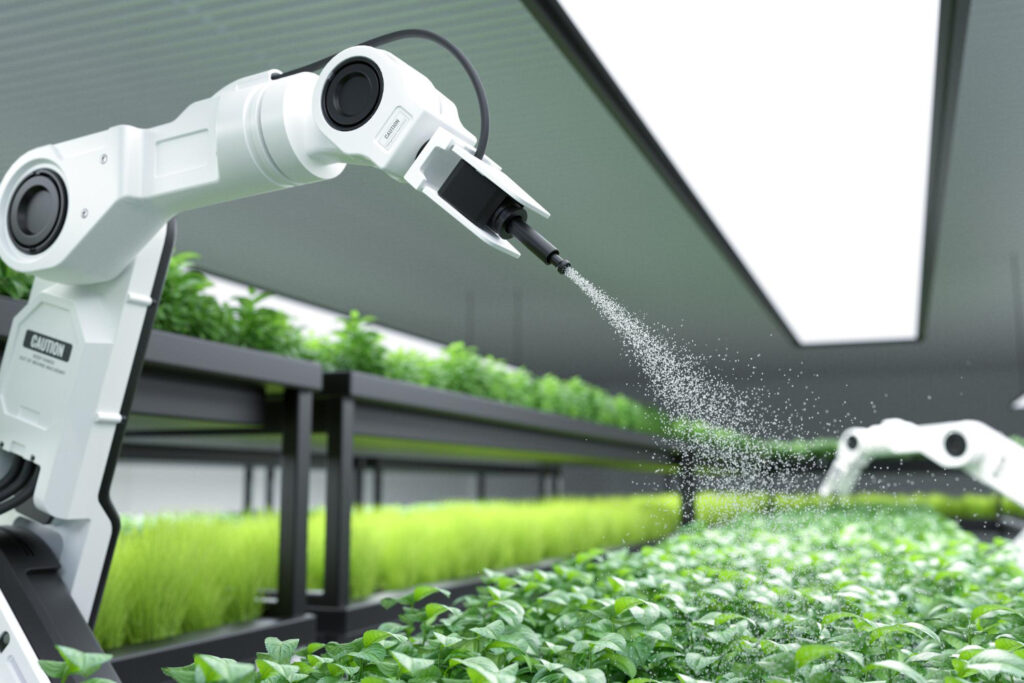
Agriculture-Technologies

A pipe similar to the DragonsPipe except that the combination of mixed valence in metals produce an electrical activation with the magnets.....
GLOBAL FOOD INITIATIVES

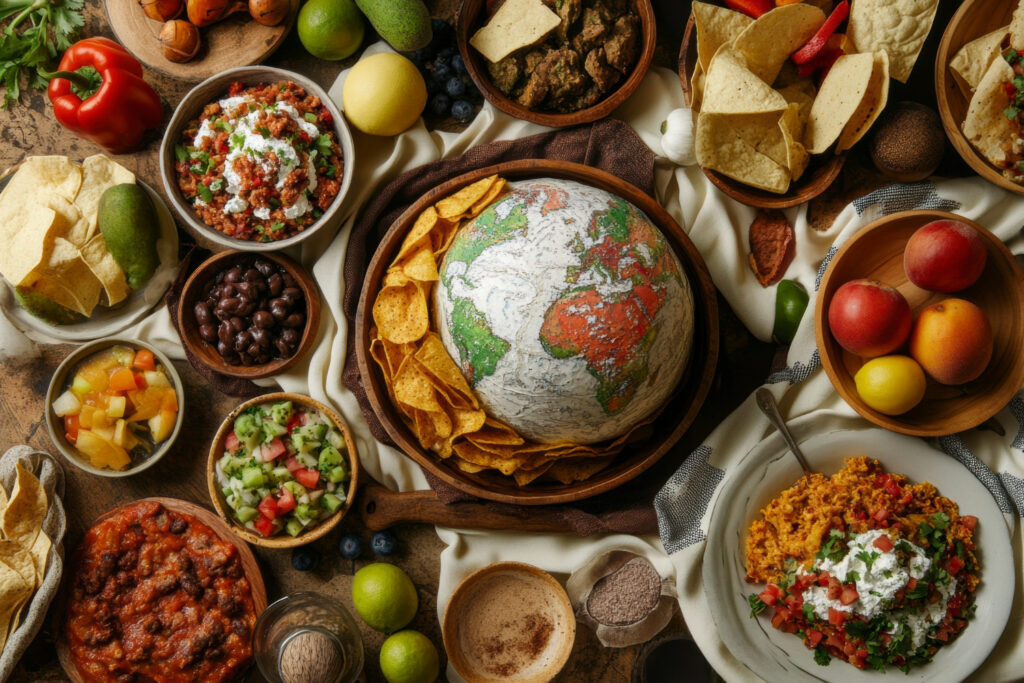
Designed for increased safe food production, this newly developed bio enzyme by Chinese biologists solves production problems in food crops with additional ....
Aquaculture INITIATIVES

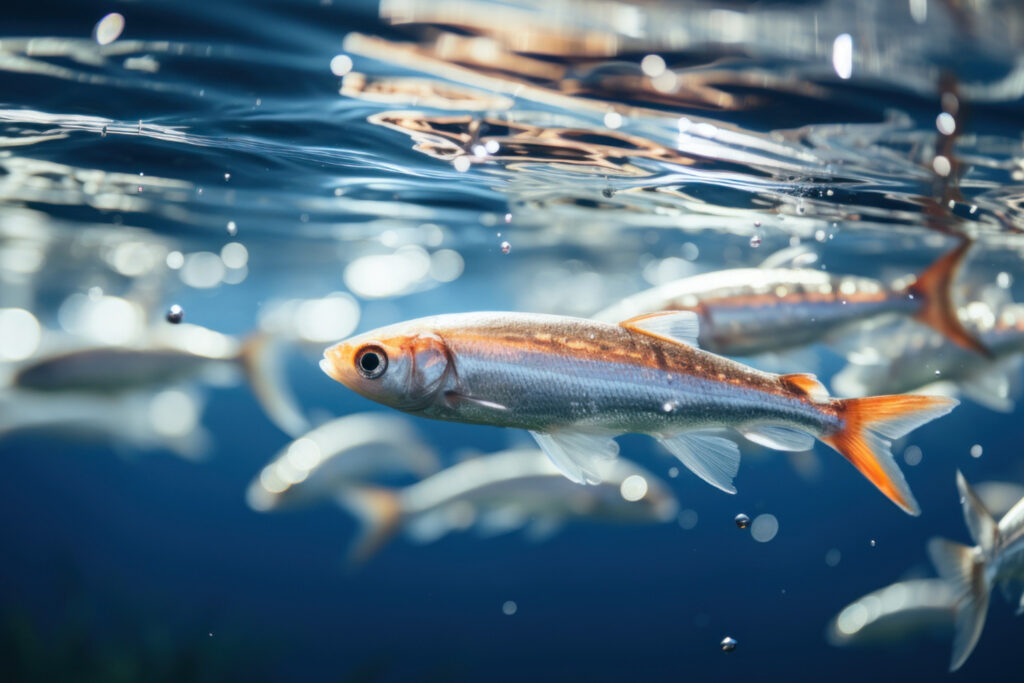
Ocean based fish farming at a very large scale has been designed, but never implemented. Utilizing modern technologies and innovative strategies......

E-BEAM

This project draws up to construct E-beam Systems in several cities in China, each system involved two electron linear accelerator (each with 10MeV energy, 1.5 mA and 1.5kV voltage)........
AQUAPONICS

We are pleased to forward for your consideration a synopsis of a combination of technologies to revolutionize soil less food production. In past processes, our Alberta based company has been intensively working on commercializing the process called aquaponics for the past 14 years (with 17 years of collaborating research data), and are out-performing other global research projects by 28-40% with increased food production. We have assembled an exemplary world class team and have sourced suppliers for the latest greenhouse technologies.

This ensures an immediate fast track in building facilities to initiate food production. It will take one year after construction is completed for full production to be achieved. A 2 million square foot facility, in its fifth year, will produce about $120 million worth of sales, with about $70 million in overhead giving it a $50 million profit potential.

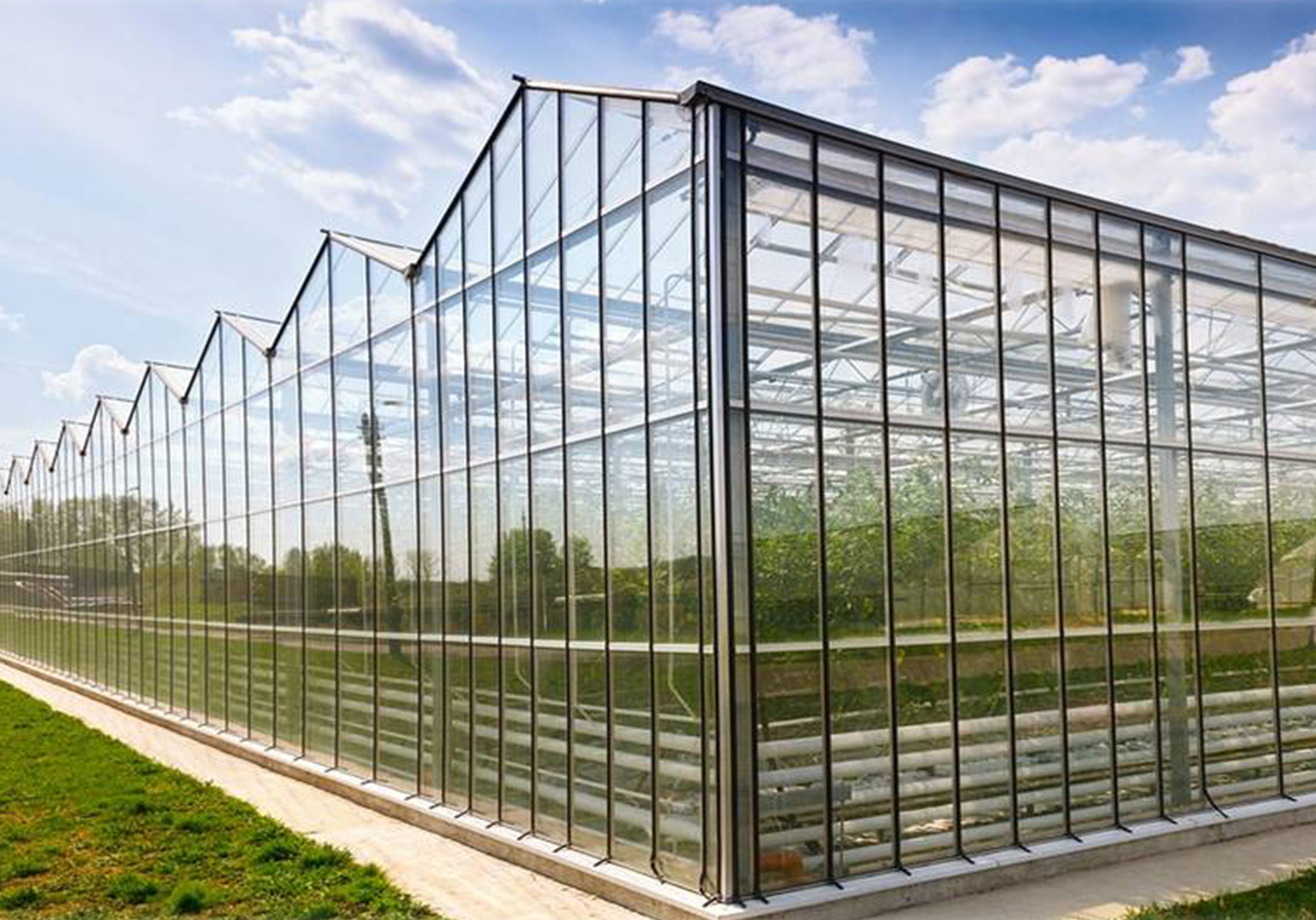
We have sourced a suitable ready-made facility North of Medicine Hat, Alberta that is a failed marijuana grow operation that may be suitable to renovate into an aquaponics system, and save at least 2 years of engineering, permits, and construction. This is the subject of this Briefing Document.

Overview
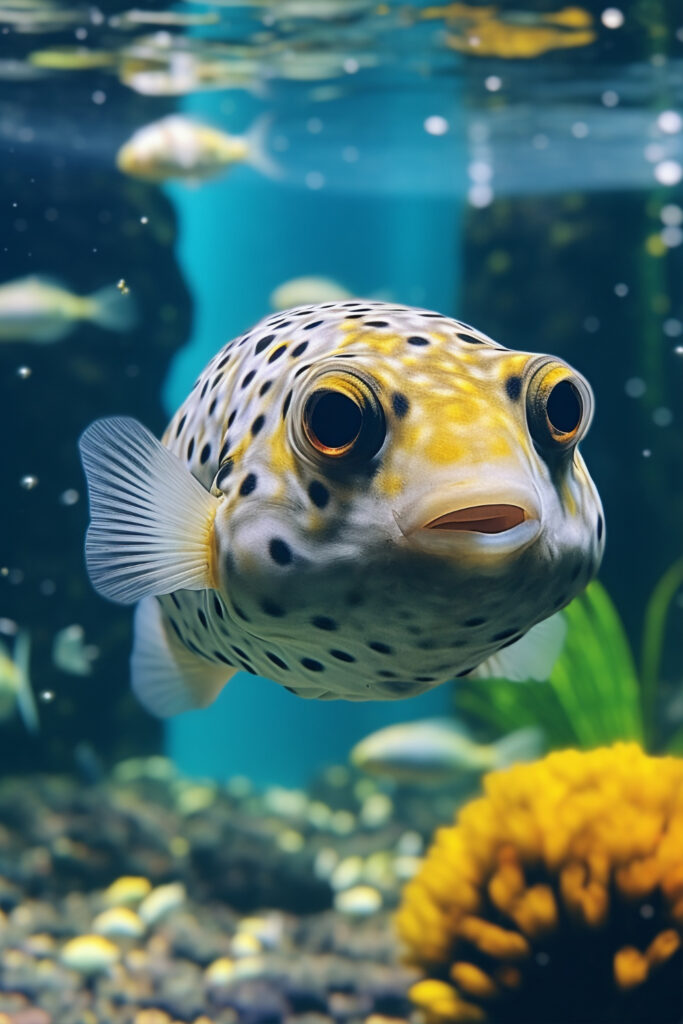
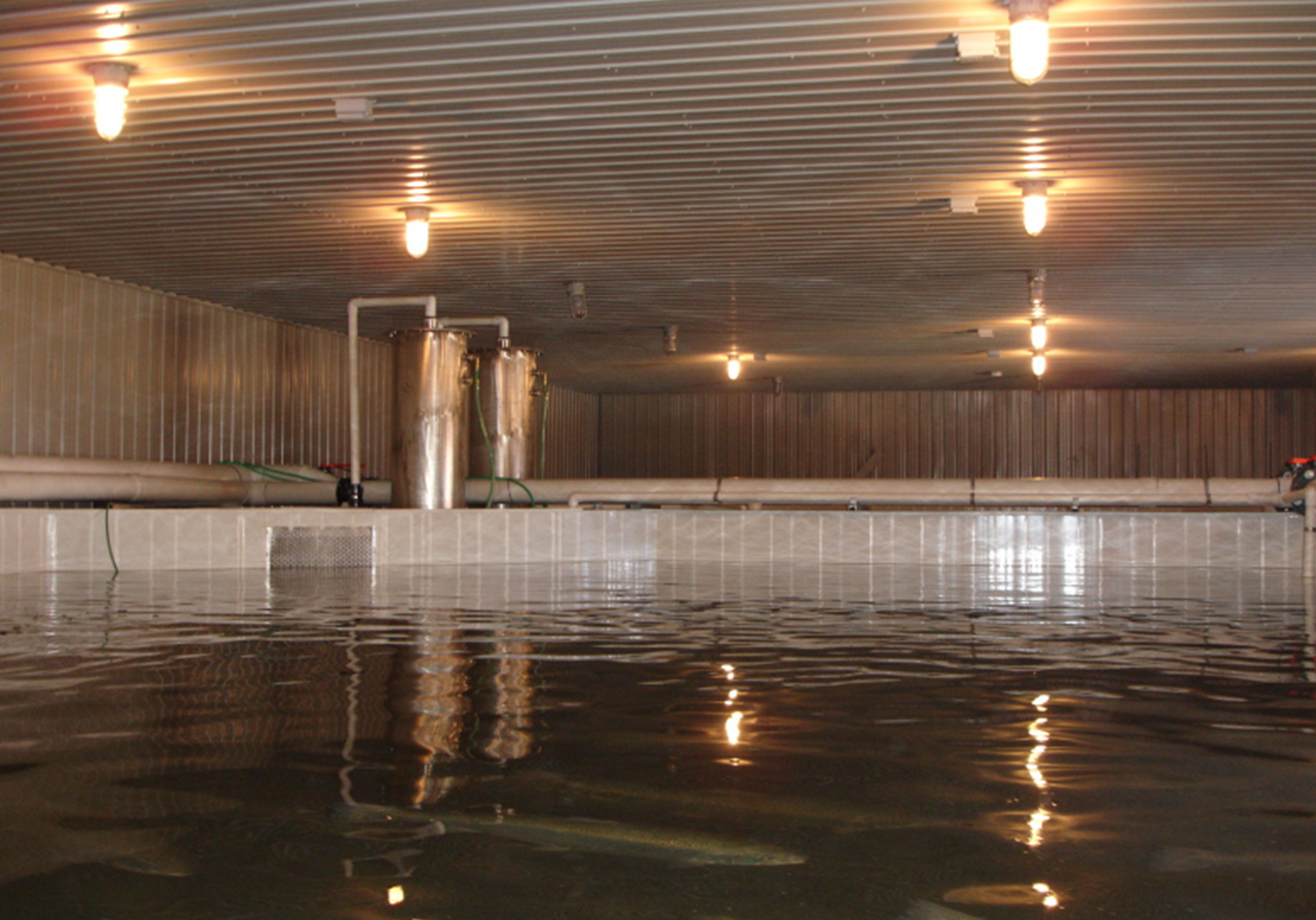
There are two parts to an aquaponics facility: fish and plants. The fish provide the feces that are transformed to fertilizer to feed the plants. The plants in turn clean the water creating a closed loop system. The fish are a separate commodity and provide a secondary revenue stream that targets the restaurant market.

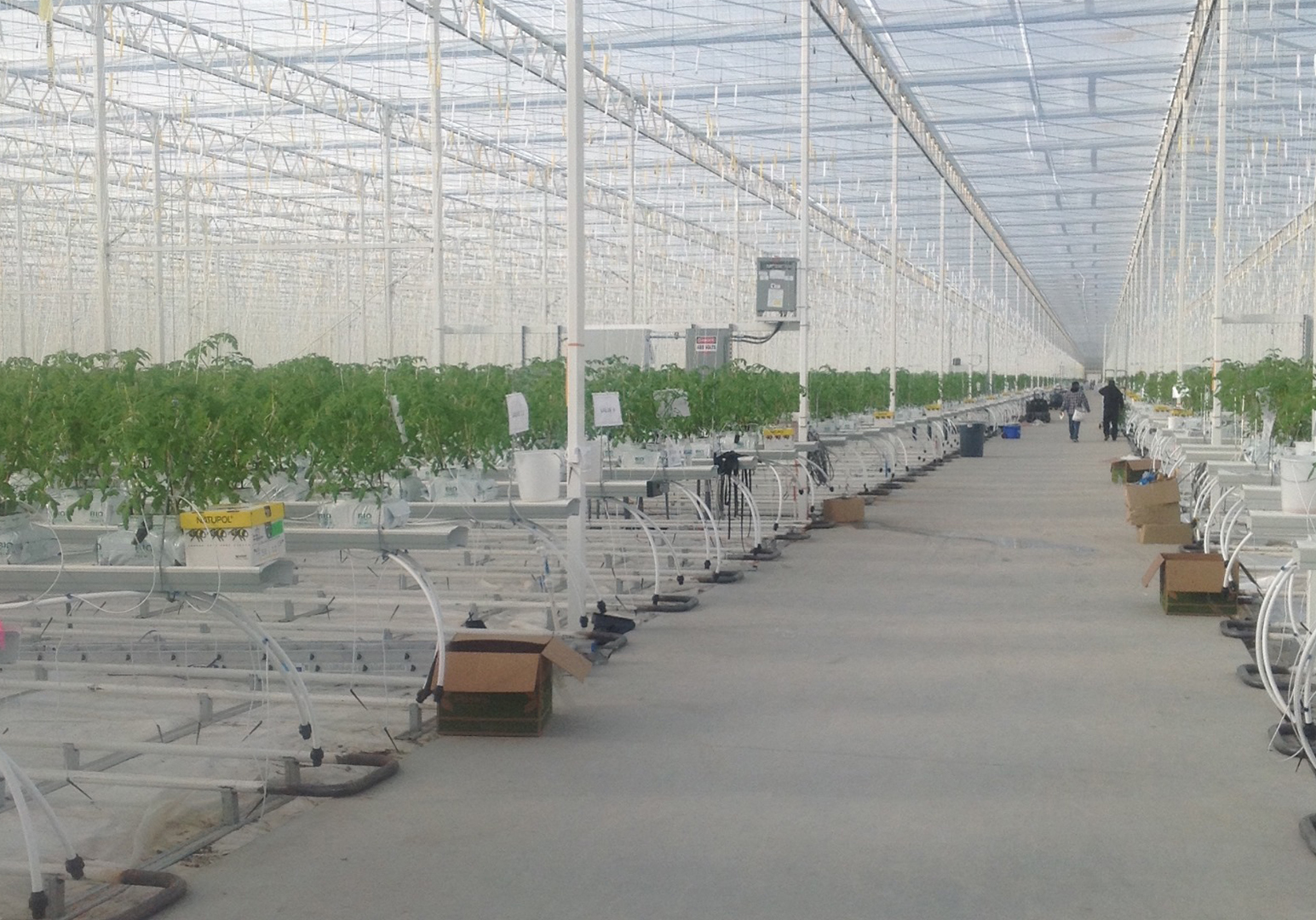
Unlike traditional agriculture, we use a fraction of the water to sustainably grow 8-10 times more food per acre without the use of pesticides, herbicides, or chemical fertilizers in a pressurized climate controlled facility. Vertical farming aspects are being analyzed for greater yield and efficiencies.

In such a top level aquaponics system, the crops qualify for the “organic certification” label that normal greenhouses rarely meet the standard of.
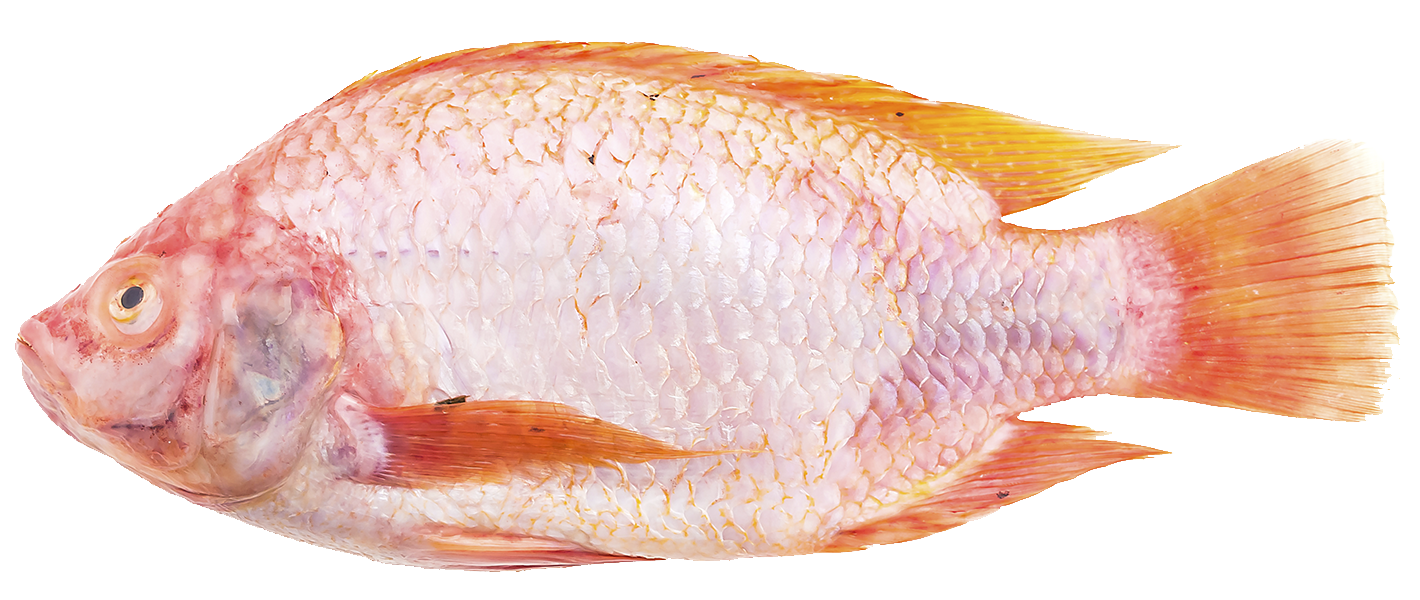
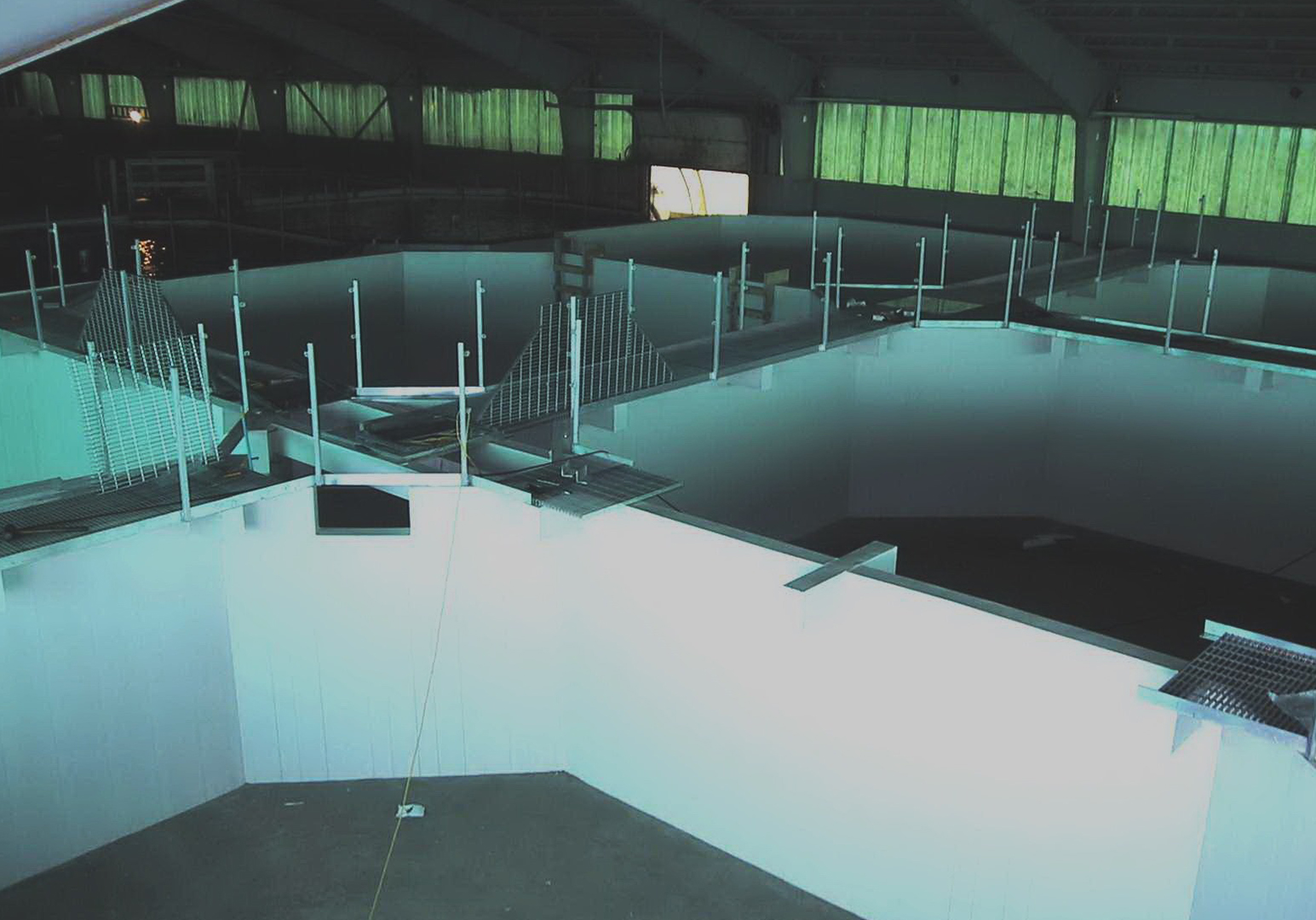
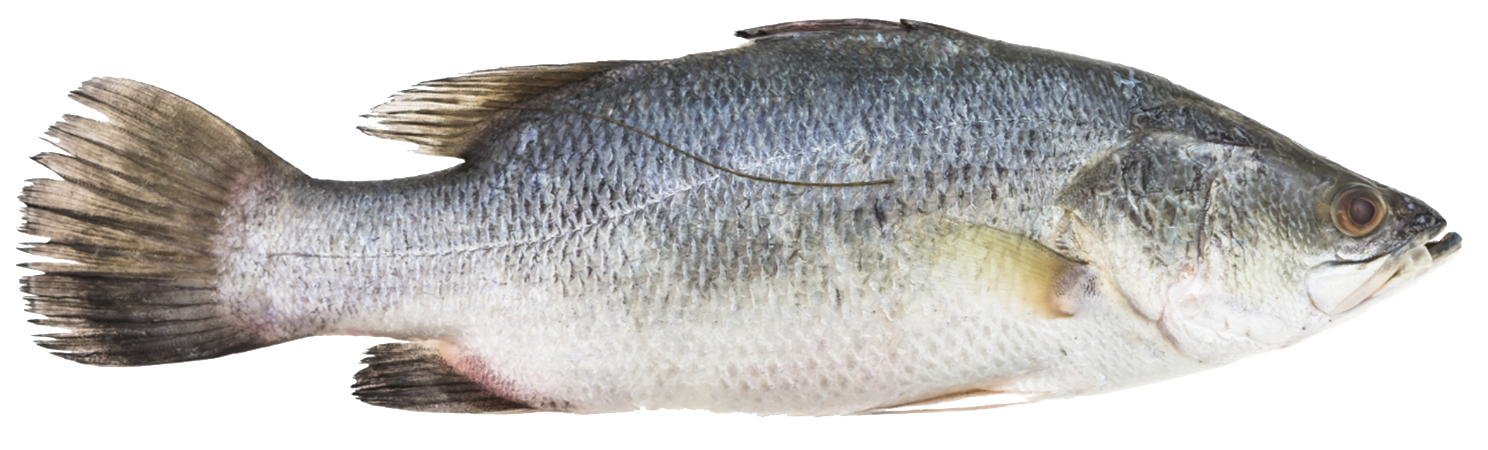
Warm water fish species (Barramundi (Sea Bass) and Tilapia) are raised in tanks maintained at 24 C. We use “super male fish” (grow 2.5 X faster than females) with a production schedule of 24-26 weeks to reach a 1 kilogram size to supply the restaurant filet market

The wastewater is “polished” and the solids are exposed to tubiflex worms whose digestion process transform solid waste to liquid to go to the bio-digester. The bio-digester’s special bacteria transform the nitrites into plant friendly nitrate fertilizer. The nitrates are a larger molecule which can be separated via semi permeable membranes to produce a “syrup” of premium fertilizer. Excess water is recirculated back through the system.
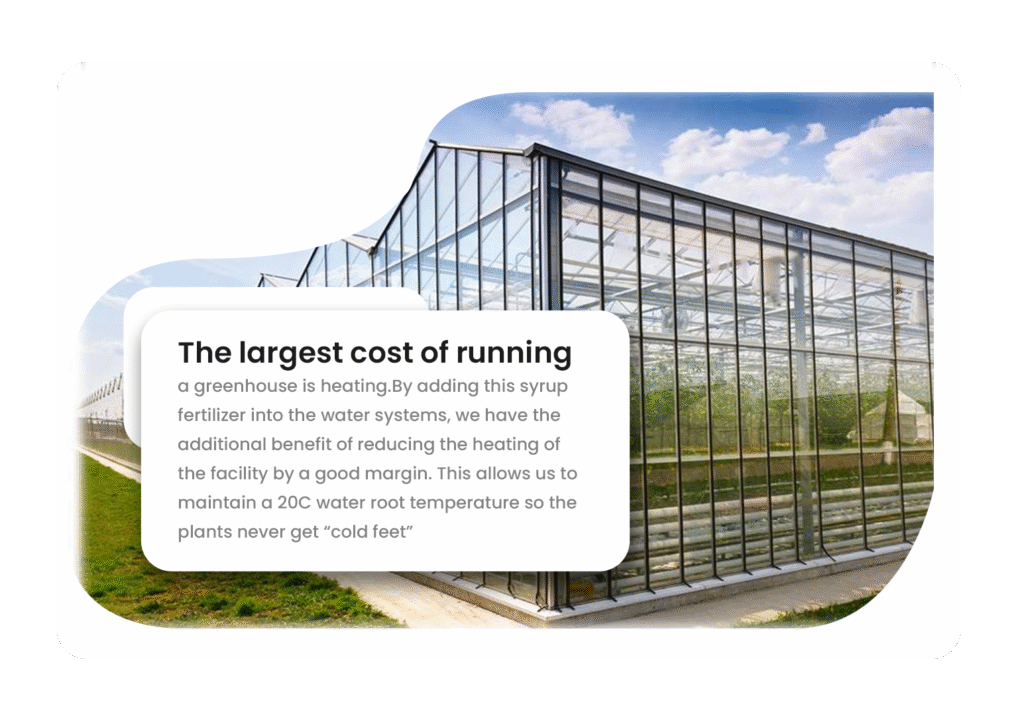
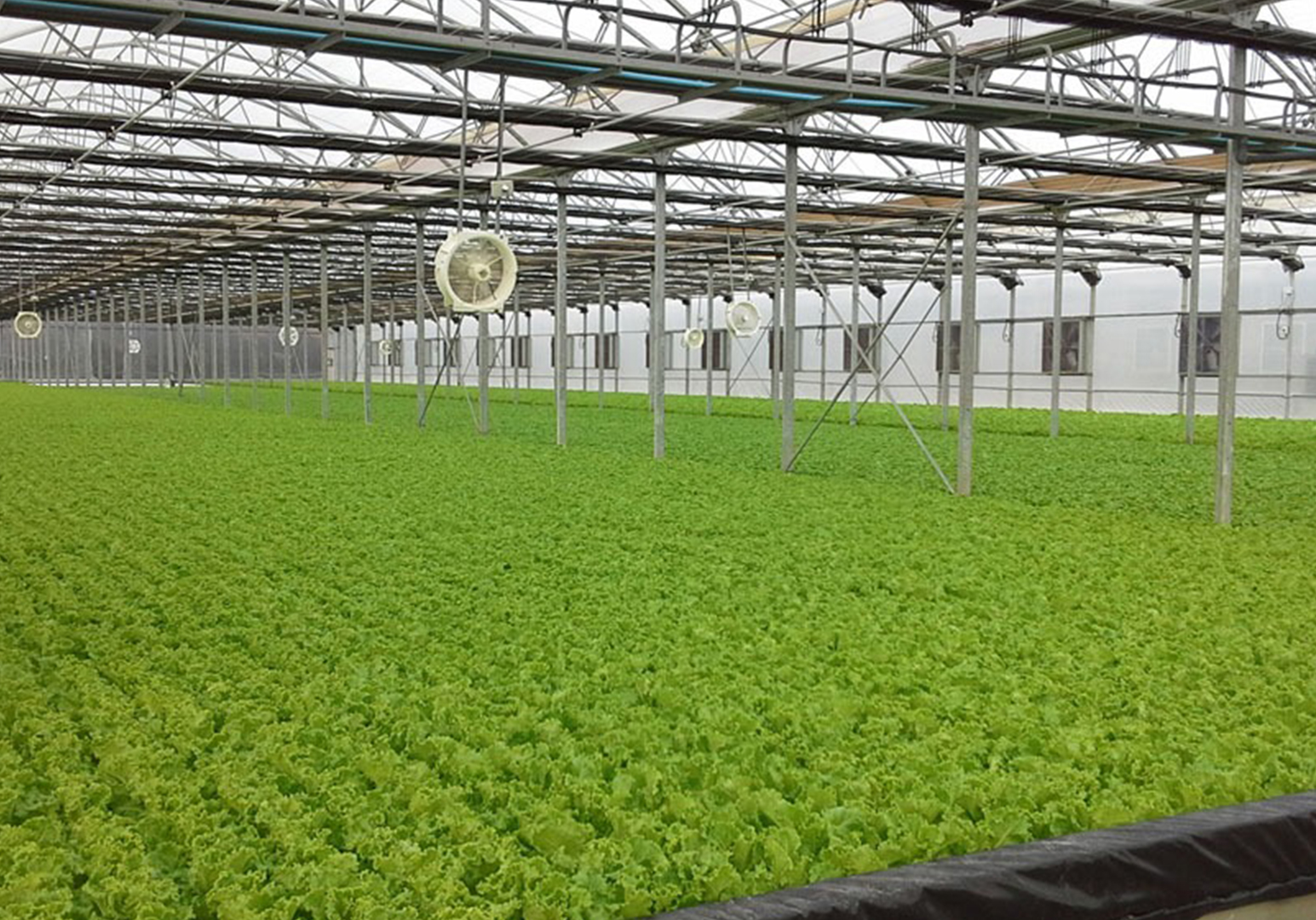
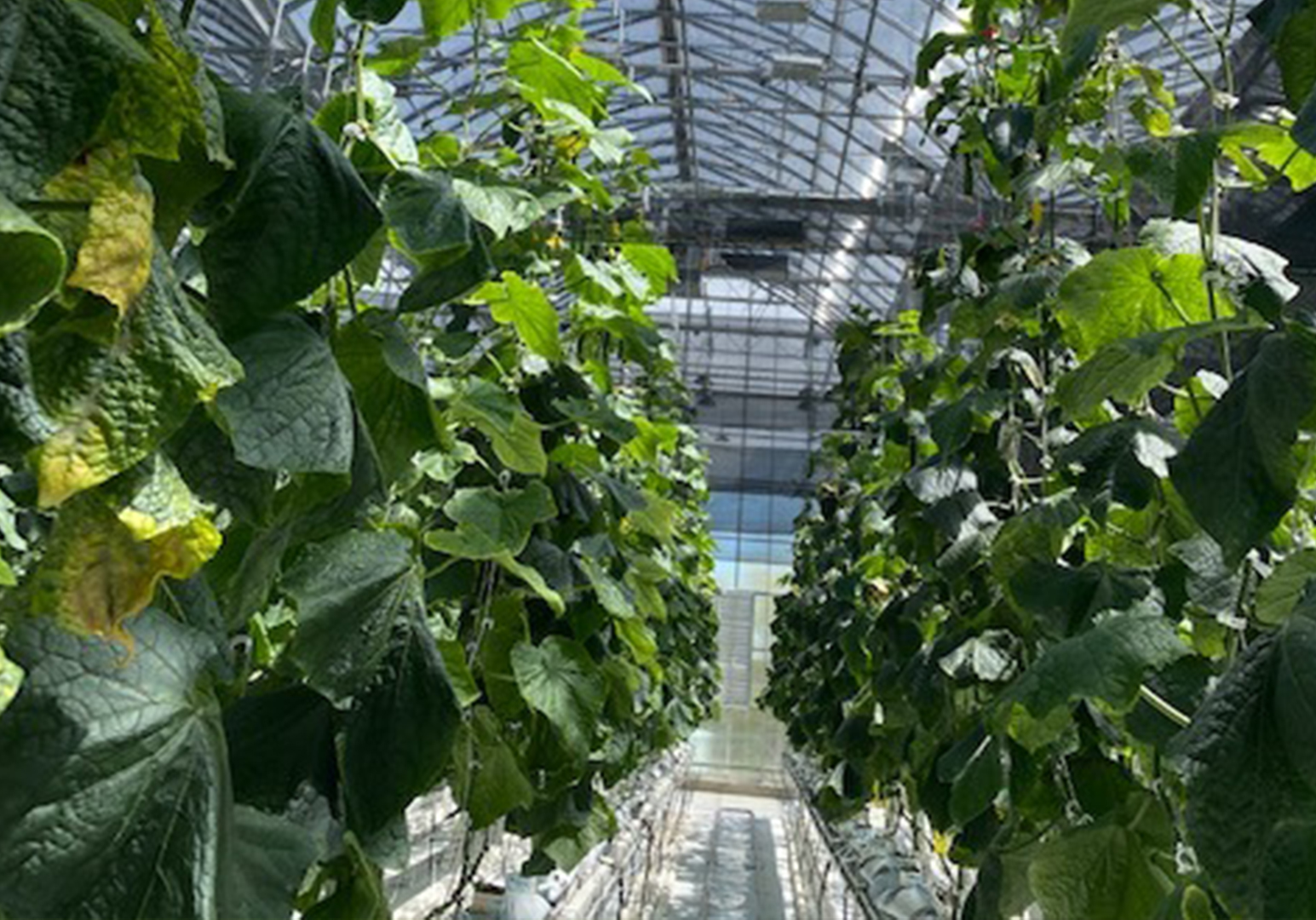
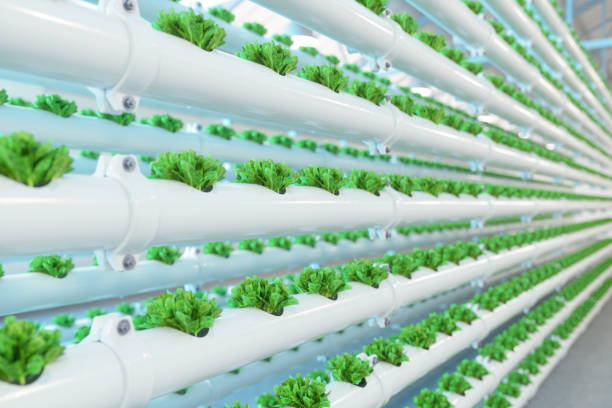
Concentrated fertilizer goes to crops (standard hydroponics systems work) and pond growing technology at 20C. In the fish water there are natural hormones to promote root development (2-3 times larger than normal hydroponics) with increased nutrient uptakes resulting in superior quality and volumes of production. Tomatoes, peppers, cucumbers, lettuce, basil and sixty varieties of crops have been trialed with success.

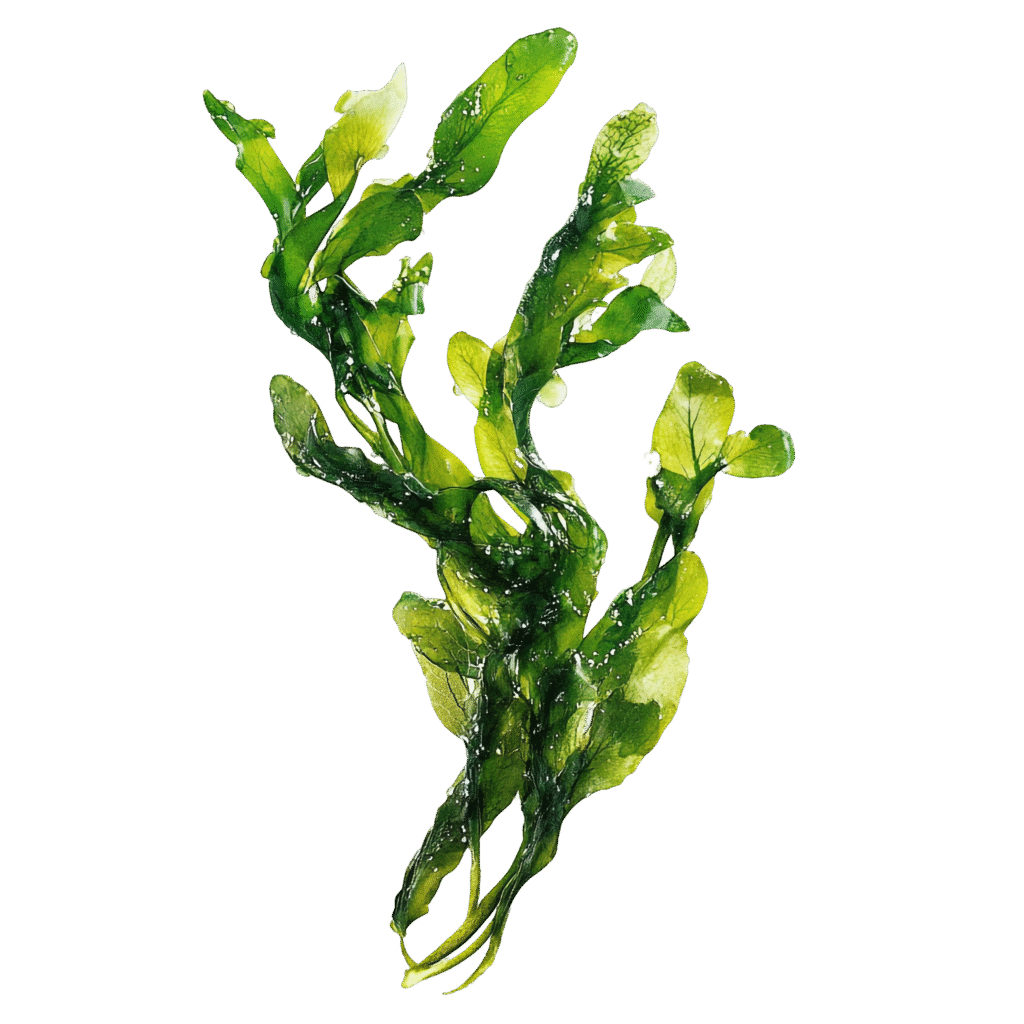
Weak water is put through semi-permeable membranes with the solution going to a photo bio-reactor containing algae. This algae contains a higher concentration of oils than Canola, and after crushing the pulp, is full of Omega 3 oils. The green pond scum is skimmed, pelletized, and blended with regular fish feed. This is fed back to the fish along with all the biomass the operation produces, giving them a desirable omega component that passes to the herbivore fish species. This allows us to produce an organically certified omega 3 enhanced farmed fish. We have continued research and are able to produce a tertiary crop of shrimp raised under the deep growing beds to further improve production and profit.

This algae growth can be harvested every day and crushed to produce an oil similar to virgin olive oil. This can be used for cosmetics, pharmaceuticals, power and similar applications.

An additional benefit of this process is that the bio-digester experiences a caloric increase and heats up to 120 to 140F which increases the production of the fertilizer. This speeds up the process which takes about 16 months in nature to about 7 days.

This is supplied to the styrofoam plant rafts in the ponds as they grow roots. Another system for tall plants (NFT) is a long plastic tube filled with bio-char, a charcoal like product. This material absorbs nutrients and retains them for plant use.

A thumbnail size piece of biochar has a surface area equivalent to a tennis court. There is a massive amount of nutrient storage available lasting for several cycles while the rest of the nutrients continue on to be used in the system. Periodically, this biochar is replaced with new biochar thus allowing an alternate revenue stream to become available in the supply and sale of the nutrient-rich granules to the home gardener or agricultural sectors.

Lighting is controlled by 2 shades: one is a reflective surface and the other is a blackout as light pollution at night disrupts plant growth. The reflective surfaces increase the amount of light reaching the plants. This method of “tricking” plants into higher production increases growing from 1 day into a 2 day equivalent. The correct combination of artificial lighting, shading, the regulation of humidity and temperature gives us the ideal growing conditions according to plant growth cycles. The controlled timings and nutrients “tricks” the plants into maximum production while observing their rest cycles and prevents stressing out the plants.

The advantage of this method of growing is not only tremendous yields, but providing food that tastes like food. Current soil conditions in most growing areas are over-stressed and require considerable attention to water and fertilizer mixes as the earth is “over-mined” in the grow areas. We are not just feeding the plants food that makes them grow fast and look pretty (and taste like paper), but we are feeding them exceptional micro-nutrients that result in faster and larger sizes of crop that actually taste like the food you raided from grandma’s garden.

The fertilizer coming from the fish can be tailored for optimum nutrient value to the plants. This is done by fostering male superfish that produce specific combinations of fertilizer by feeding them advantageous fish food: how and what we feed the fish determines what nutrients pass through and are bio-available.
These “Arnold Schwarzenegger” fish are 2.5 times larger than the female fish, and their tanks have currents through creation of vortices that make them exercise in optimum temperatures and light conditions. This makes the fish hungry, and they produce more fertilizer. Excess fertilizer can be stored or sold to other operations replacing conventional liquid sources.

The nutrient system has been proven many times now, with one flower plant in Chilliwack, BC increasing their production by a nominal 28%. Other installations all showed similar or larger gains.

The fish are natural, and are never exposed to antibiotics so the end product is free of the undesirable characteristics common to fish farms whether in ponds or in sea farms.

After 26 weeks, the fish are mature and provide two ½ kilogram fillets that restaurants require. The fish will be sent live to processing facilities, or if a processing plant is included in the system, then flash freezing the fillets will be done and product marketed directly. We have availability of a special freezing process via frequency based technology that can freeze the products without water crystals damaging cell walls. The end product, whether animal or plant, unfreezes to the same constituency as the original. We are desirous of obtaining this technology for these operations.
We have revenue streams from fish at about $4 per pound with about 10,000,000 pounds produced annually. We can produce 40% more vegetables than conventional hydroponics, without the input costs of chemical fertilizers or insecticides. We do not have the tremendous heat costs with savings because of the heat produced by the bio-digesters and bio-photo reactors which can be easily recoverable. Power requirements are mitigated further by solar and wind turbine arrays to create a neutral power facility. Land adjacent to the facility can be used for such purposes. Gas prices are lower in the area because of other greenhouse facilities, and special subsidies to attract industry and enhance the community.
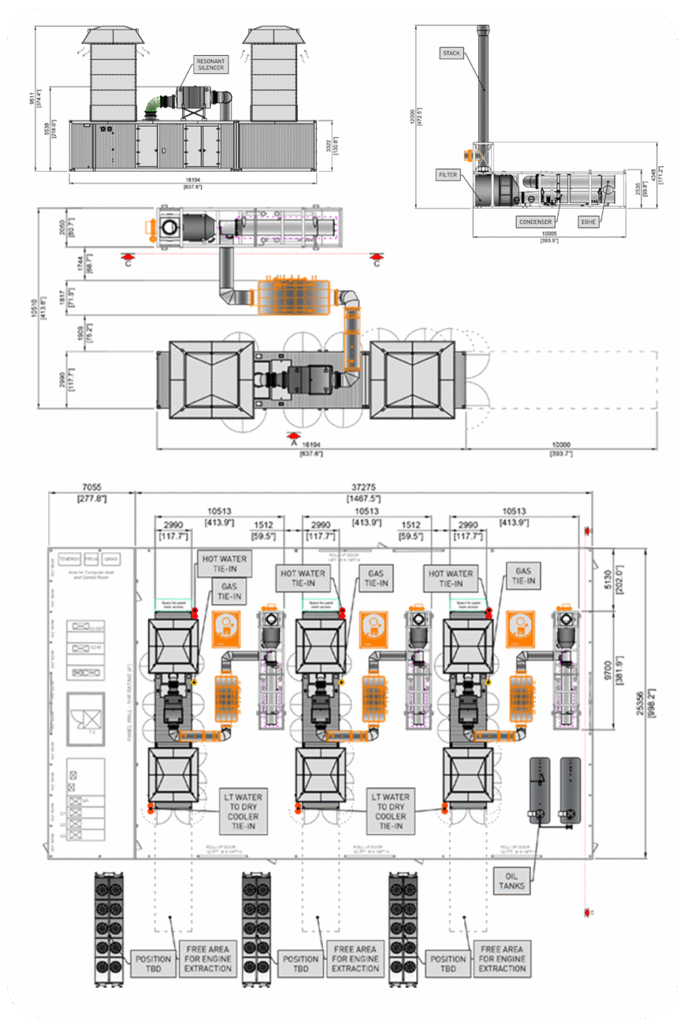
Carbon dioxide costs are nil as we produce our own carbon dioxide to feed the plants from 3 -10 Mw on site generators. Excess power produced can be sold to grid as an alternate revenue stream. The cooling of these generators is part of the heating system design to help reduce heating costs.
The criteria for choosing a facility site includes weather studies. These are critical, and the locations chosen provide a greater percentage of sunlight to our operations. Consistency of electricity, highway access, employee availability and other factors form part of the decision in choosing a facility location.

As above said, we have expertise in this sector with PhD’s around the world. These good people believe in the humanitarian aspect of our operations and will answer our call. Employees will be trained in the workings of aquaponics in a several week long training course with the same vision. Clean conditions are a must in aquaponics to prevent pests and diseases from infiltrating operations. Backup and redundant systems are part of aquaponics for this purpose.

Because of our cost effective production, our crops compete more effectively with other producers with higher yield and considerably more nutrient and taste values.

Competition is rising as exemplified by a group of academics, Nelson and Pade (https://aquaponics.com), who were provided with this technology about 10 years ago and patented some processes developed by our teams to begin selling aquaponics systems. They sold mainly to schools providing aquaponics systems, training, and support to individuals, entrepreneurs, governments and schools who want food security, food quality, and a positive return on their investment. However, their systems which we developed are about a Level 2 while our operations are at a Level 9.

Current Status
Humanus understands the gravity of current food supply shortages in our world, and has targeted the food sector first above all other food projects. The expertise in aquaponics production is sufficient to create bread-basket geographic areas for Canada and other countries. We are currently starting operations in South Africa with the Zulu nation and other kingdoms to establish such facilities. Negotiations are well advanced, with expertise coming from the university and a fully functioning aquaponics farm and school to begin aquaponic operations in that country.

Our world class team has spent the last 16 years researching and anticipating any potential pitfalls that might occur. We have designed a leading edge project that is as predictable and sustainable as possible to ensure production with subsequent steady cash flows for the protection of our operations and potential investors. R&D is a constant consideration with continuing goals to lead the global technology.

To consider this potential and other operations to help people get the best possible chance of surviving our current times. Humanus is a global effort to provide for-profit and humanitarian operations giving our Humanity a fighting chance.

ECOMAX® Solutions

ECOMAX® Solutions is a global leader in modular cogeneration and on-site power solutions, delivering sustainable energy technologies since 1981. Headquartered in Italy with operations in over 20 countries, AB specializes in high-efficiency cogeneration systems that simultaneously produce electricity and heat, significantly reducing energy costs and CO₂ emissions. Their flagship ECOMAX® product line is recognized worldwide for its innovation, versatility, and reliability, serving industries ranging from manufacturing and agriculture to healthcare and commercial sectors. With more than 1,550 systems installed and a strong focus on research, sustainability, and service, AB is committed to building a cleaner and more efficient energy future.

1. Produces 400% more produce than soil based farming and 28-40% more than the world’s best Hydroponics

2. 60 different crops have been tested and proven viable

3. Qualifies for Organic and GAP certification

4. Uses less than

5% of water required for soil based farming

5. 365 days of constant predictable production of restaurant quality produce

6. Protein component is organically fed in a pristine environment under perfect conditions to maximize growth and quality. Most efficient feed conversion ratio of 1.25-1.5 lbs of feed per lb of marketable flesh produced

7. No environmental concerns with nothing leaving the facility that is not a marketable commodity

8. Institutional facility designed for 25 year useful life is pressurized so no need for any herbicides or insecticides required

9. Latest technology for energy efficiency designed into the project for reduction of long term expenses with a balanced environmental impact including Co-generation capacity

10. Everything is tested in our onsite laboratory for any safety concerns prior to any production leaving the facility

11. Year round labor required is 3-5 persons / acre of the operating facility