

GLOBAL FOOD INITIATIVES
BIO-ENZYME
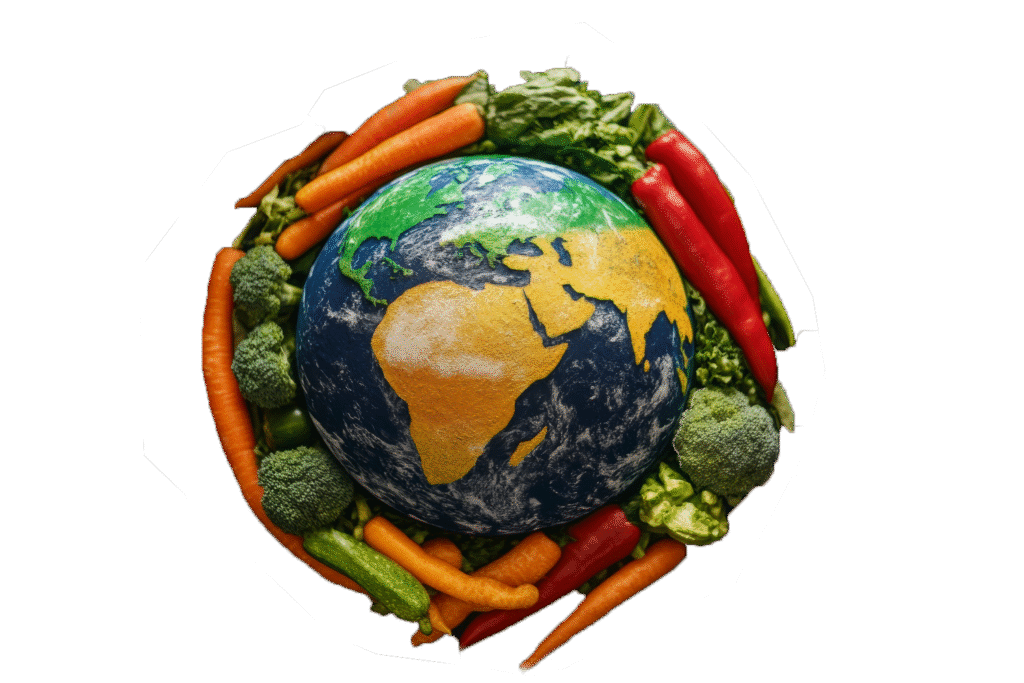
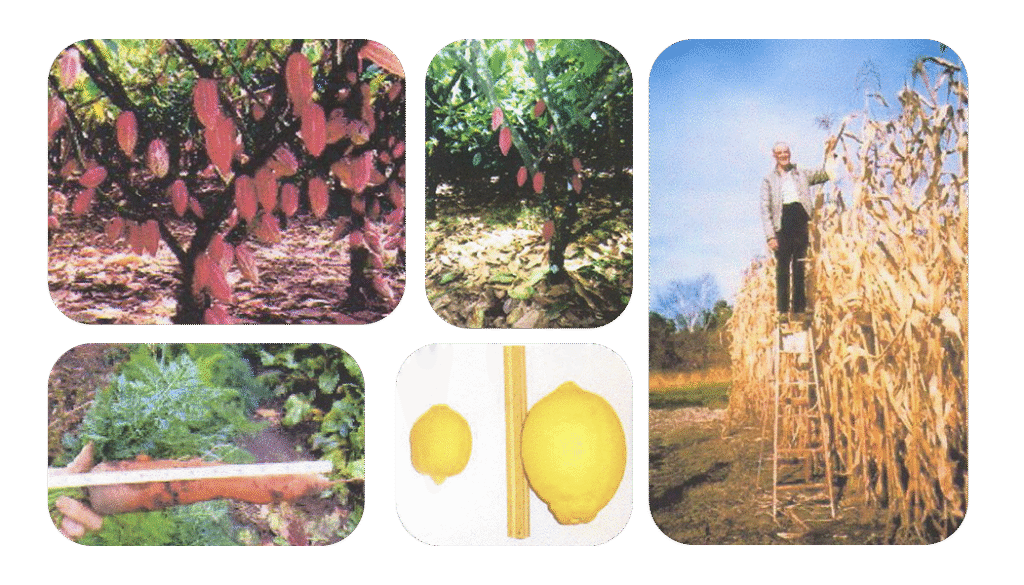
Designed for increased safe food production, this newly developed bio enzyme by Chinese biologists solves production problems in food crops with additional benefits of greater shelf life, higher yields, increased vitamin, mineral, and enzyme content.
This remarkable discovery shall be implemented throughout DragonsHeart’s food production initiatives.
This remarkable discovery shall be implemented throughout DragonsHeart’s food production initiatives.
HUMANUS FOOD INITIATIVES
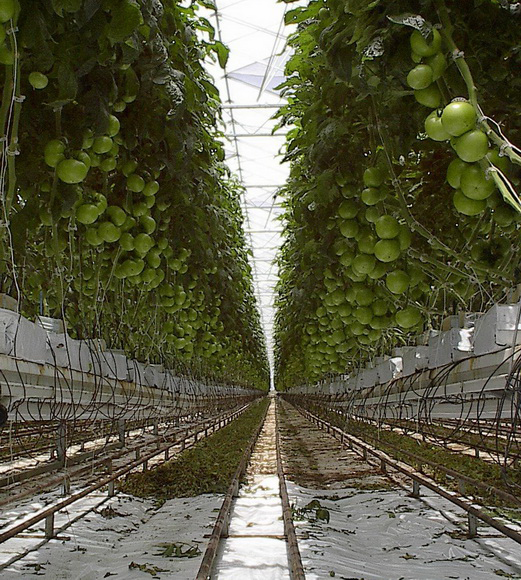
Humanus is poised to implement cutting edge technologies in vertical farming and aquaponics. Coupled with the bio enzyme and the inroads made by Triple Sky, Humanus will dominate the current food production market in time with the advanced methodologies of crop production.
With chemical pollution, a deteriorating environment, seriously distressing changes in weather patterns, changing water and moisture patterns, reductions in the food supply and worse today, the greatest number of Americans ever who now depend upon food stamps to feed themselves, new production techniques, new systems and approaches are going to have to be used in order to feed the masses now before us.
Time is no longer our friend and the seriousness of the situation now requires quite a serious response back. Humanus has assembled a dynamic group of people, who in the area of Aquaponic food production, renewable energy, construction and development and financial management, are now looking to take nearly eleven years worth of practical, developmental and scientific work, onto the vast stage of commercial food production worldwide.
With chemical pollution, a deteriorating environment, seriously distressing changes in weather patterns, changing water and moisture patterns, reductions in the food supply and worse today, the greatest number of Americans ever who now depend upon food stamps to feed themselves, new production techniques, new systems and approaches are going to have to be used in order to feed the masses now before us.
Time is no longer our friend and the seriousness of the situation now requires quite a serious response back. Humanus has assembled a dynamic group of people, who in the area of Aquaponic food production, renewable energy, construction and development and financial management, are now looking to take nearly eleven years worth of practical, developmental and scientific work, onto the vast stage of commercial food production worldwide.
The Company’s Department Head is published in over 20 countries and is probably the world’s leading specialist and proponent in the area of Aquaponics.
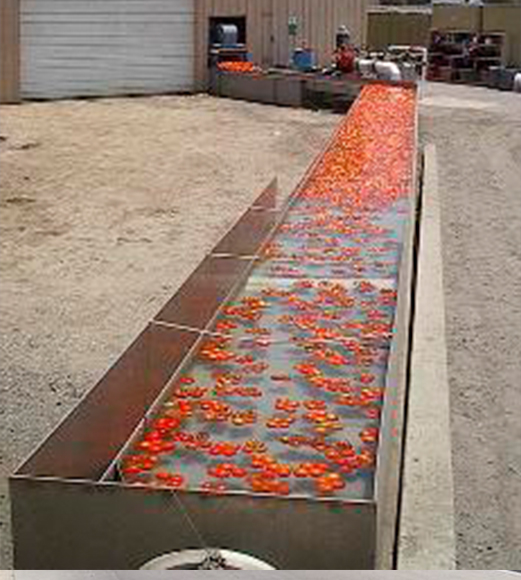
Humanus has identified and will assemble a portfolio of properties in various global locations which would become upgraded to Humanus standards and whereby both carbohydrates (herbs, vegetables, tomatoes, specialty roots and macrobiotic plants) as well as proteins (fish) are raised in harmony with the best systems available.
Humanus has embarked upon the acquisition, equipping and stocking of a series of California and Canadian properties which are either growing flowers or which are not producing the proper food stuffs in order to be turning a good profit.
The Company will introduce its food production techniques over a small series of four to ten properties. The properties identified are somewhat contiguous and will allow for a common management structure without presenting long distance or logistical problems. For the purposes of Banking continuity, USDA Loan Guarantees, taxes and other financial considerations, the properties will each be operating under its own separate LLC in California.
Humanus has identified and will assemble a portfolio of properties in various global locations which would become upgraded to Humanus standards and whereby both carbohydrates (herbs, vegetables, tomatoes, specialty roots and macrobiotic plants) as well as proteins (fish) are raised in harmony with the best systems available.
Humanus has embarked upon the acquisition, equipping and stocking of a series of California and Canadian properties which are either growing flowers or which are not producing the proper food stuffs in order to be turning a good profit.
The Company will introduce its food production techniques over a small series of four to ten properties. The properties identified are somewhat contiguous and will allow for a common management structure without presenting long distance or logistical problems. For the purposes of Banking continuity, USDA Loan Guarantees, taxes and other financial considerations, the properties will each be operating under its own separate LLC in California.
Past successes show that a commercial facility will capitalize itself within a year to fourteen months. Profit margins are north of 50% and combined sales are figured to be just above sixty-five dollars a foot, including all carbohydrates and protein sales together. Specialty crops will most certainly push those numbers higher, and once solidly established other exotic crops will be entertained for even higher sales overall.
From there, the properties will upgraded to real, more traditional greenhouse facilities where glass structures are erected and where, what most others would consider ‘ground-cover’ is replaced with much more modern and effective types of building. Activities will include disassembly, erecting new and all-glass greenhouses with heating, cooling and temperature controls and monitoring, plumbing and water generation:
Protein production is really fish production and how best to run up the weights and density of the fish production, which people will one day come to rely upon as a stable source of protein. Environmental considerations are also important pertaining to the resource allocation.
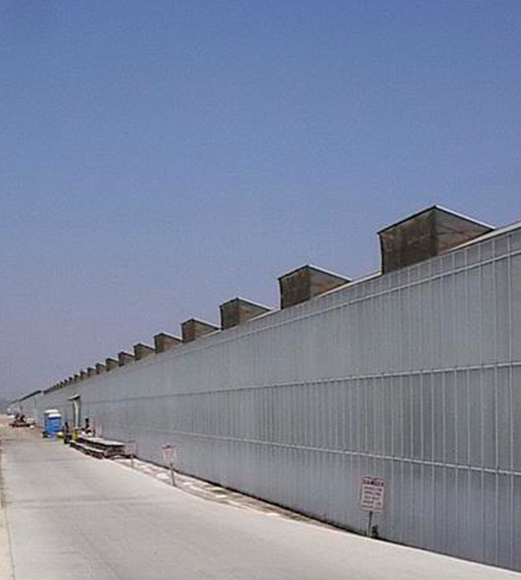
Fish as a protein, requires but a small fraction of the resources needed to raise chicken, for example. From a resource usage standpoint, fish so outperform chicken that it’s not even a fair comparison.
Switching to beef becomes even more ridiculous in the gulf of difference between the two. Fish production infrastructure will have to be erected along with a hatchery and stocking program which will require strong financial support.
While the above production summary is limited to basic commercial crops, Humanus is fully capable of being able to produce quite a wide variety foods, value-add products and naturally processed food opportunities which Humanustechnologies and future facilities will all be able to be produced there.
In North America the standard tastes for vegetables and/or carbohydrates run to: tomatoes, cucumbers, lettuce, basil, colored peppers, asparagus, and a variety of fresh spices and greens including basil, rosemary and oregano. Humanus has also come to discover that they can in fact produce more exotic crops, for even higher than normal revenues, some triple, for things such as: hops (for beer), ginseng, chicory, wasabi and ginger. Seafood varieties to include: Tilapia, Cat fish, Sea Bass, Trout, Atlantic salmon, Salmon, Coy and Shrimp. Value added opportunities still exist in smoked fish, Pesto sauces, tomato sauces, pre-made salad bags and pre-selected vegetable bags, just to name a few.
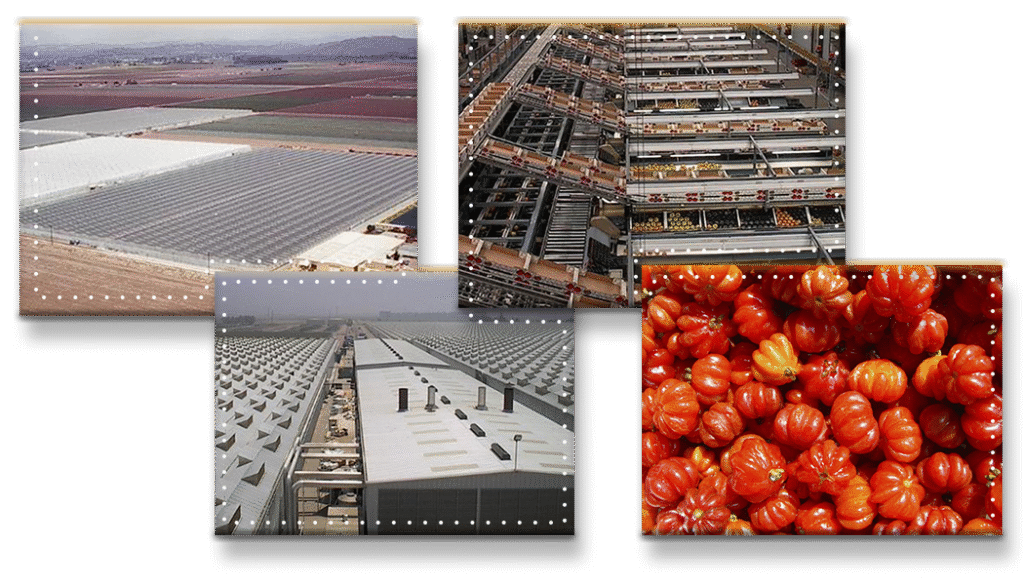
It also needs mentioning that the seafood or protein production is going to be phenomenal as well. With the five, 7.5 million sq. ft. facilities described, each production facility will produce approximately 75,000 MT of seafood per year, where West Coast Pacific Foods (a Humanus division) can process the seafood for further distribution in general and specialized markets.
WEST COAST PACIFIC FOOD PRODUCTS
West Coast Pacific International (WCP) was created in response to a clear need for economical and sustainable food resources on a massive scale through fish farm technology and a proprietary processing technology.
WCP has developed a process that utilizes both meat and frame (skeleton) to allow economics of scale by using the complete fish. This process results in a combining action that does not require binders or bread crumbs to produce a delicious and nutritious mince or “loaf”. Initial product development was perfected with salmon stock.
WCP’s discoveries have led to high quality products consisting of recovered meat from either salmon frames (skeletons), the throw-away collar area resulting from cannery operations, or the cheapest fish/salmon available on the market. For salmon products, river salmon (chums and pinks) are at the last stages of life and therefore has soft flesh that is unwanted, and generally discarded, by the bulk of the salmon industry after caviar recovery. This fishery is primarily a caviar enterprise.
WCP took a product nobody wants, and converted it to a commercially viable product everybody wants.
Products that WCP manufactured during the one year product development and test marketing phase showed that WCP was on the right track with its products as there presently not only exists a deep awareness of healthy food choices, but there are numerous “hunger centers” that could benefit from the cost effective high-protein food resource. Our products turned out to be timely and desirable by all approached market segments.
Successful from the start, these operations have proved that there is a need to provide a full spectrum solution for quality of raw stock and economics of large scale operations.
WCP has developed a process that utilizes both meat and frame (skeleton) to allow economics of scale by using the complete fish. This process results in a combining action that does not require binders or bread crumbs to produce a delicious and nutritious mince or “loaf”. Initial product development was perfected with salmon stock.
WCP’s discoveries have led to high quality products consisting of recovered meat from either salmon frames (skeletons), the throw-away collar area resulting from cannery operations, or the cheapest fish/salmon available on the market. For salmon products, river salmon (chums and pinks) are at the last stages of life and therefore has soft flesh that is unwanted, and generally discarded, by the bulk of the salmon industry after caviar recovery. This fishery is primarily a caviar enterprise.
WCP took a product nobody wants, and converted it to a commercially viable product everybody wants.
Products that WCP manufactured during the one year product development and test marketing phase showed that WCP was on the right track with its products as there presently not only exists a deep awareness of healthy food choices, but there are numerous “hunger centers” that could benefit from the cost effective high-protein food resource. Our products turned out to be timely and desirable by all approached market segments.
Successful from the start, these operations have proved that there is a need to provide a full spectrum solution for quality of raw stock and economics of large scale operations.
Expanding on the concept, WCP has assembled an experienced open ocean fish farm manufacturer and an aquaculture production technology firm , MerQua Driffarms through which fusion, enables world scale production of value-added fish products.
The WCP process of utilizing the whole fish also allows, by the very nature of the end product, the fusion of meat cutting machinery with fish processing machinery within the production that sees the front end fish processing machinery supplying meat processing machinery in the second stage. Through this union of otherwise isolated machinery, we will do to the fish industry what has been done to the poultry and red-meat industry: maximize recovery and utilization of raw stock.
The WCP process of utilizing the whole fish also allows, by the very nature of the end product, the fusion of meat cutting machinery with fish processing machinery within the production that sees the front end fish processing machinery supplying meat processing machinery in the second stage. Through this union of otherwise isolated machinery, we will do to the fish industry what has been done to the poultry and red-meat industry: maximize recovery and utilization of raw stock.
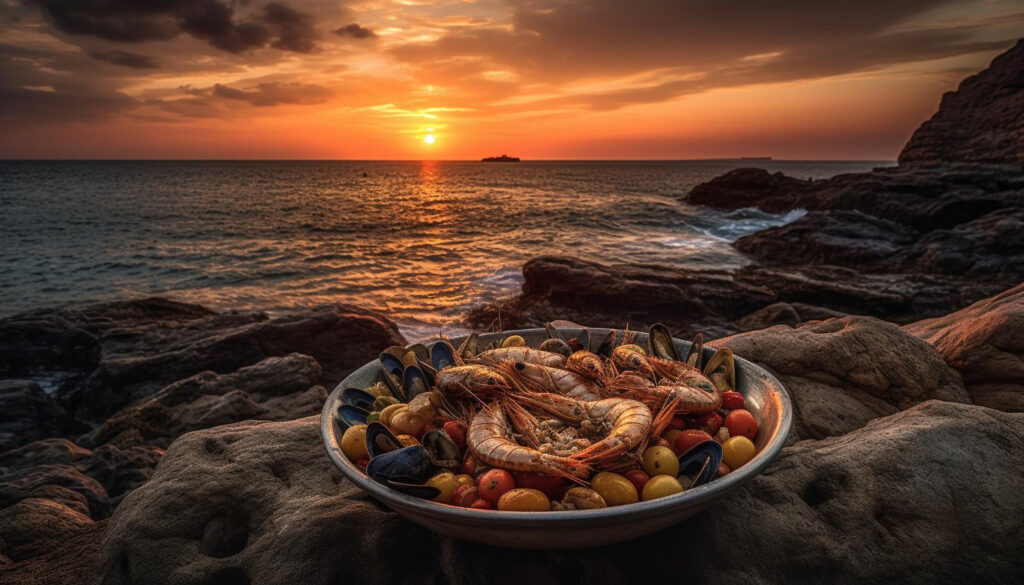
The dramatic decrease in costs from this process also resulted in a faster production process through the marriage of the two dissimilar technologies. This creates a tremendously cost-effective food source that has, amongst other benefits, factors such as calcium and Vitamin C.
All WCP products are a direct result of this operation, as they are made directly from a storage capable, standard pre-spiced mince: the basis of all our products. The sausage operations require only some additional spices to this raw stock.
It must be noted that we add water in our process, and realize profit therefrom.
Salmon stock of the type we require is constantly available, which allows long-term forecasting in financial models. This is because the normal fluctuating cost margins for premium fish in the salmon industry are excluded. We bypass these financial variables in this aggressive area since they have no bearing on our production concept.
Fish stock in other areas will bear similar costs and have the main variables such as feed costs fluctuate.
All WCP products are a direct result of this operation, as they are made directly from a storage capable, standard pre-spiced mince: the basis of all our products. The sausage operations require only some additional spices to this raw stock.
It must be noted that we add water in our process, and realize profit therefrom.
Salmon stock of the type we require is constantly available, which allows long-term forecasting in financial models. This is because the normal fluctuating cost margins for premium fish in the salmon industry are excluded. We bypass these financial variables in this aggressive area since they have no bearing on our production concept.
Fish stock in other areas will bear similar costs and have the main variables such as feed costs fluctuate.
Through current technology advancements, dried salmon/fishloaf mince may be transported in bulk containers, or cooked and sealed in bulk vacuum packs for re-constitution in third world hunger centers.
The WCP product line will include:
- Salmonloaf/Fishloaf (institutional)
- Dried Salmonloaf/Fishloaf (bulk shippable)
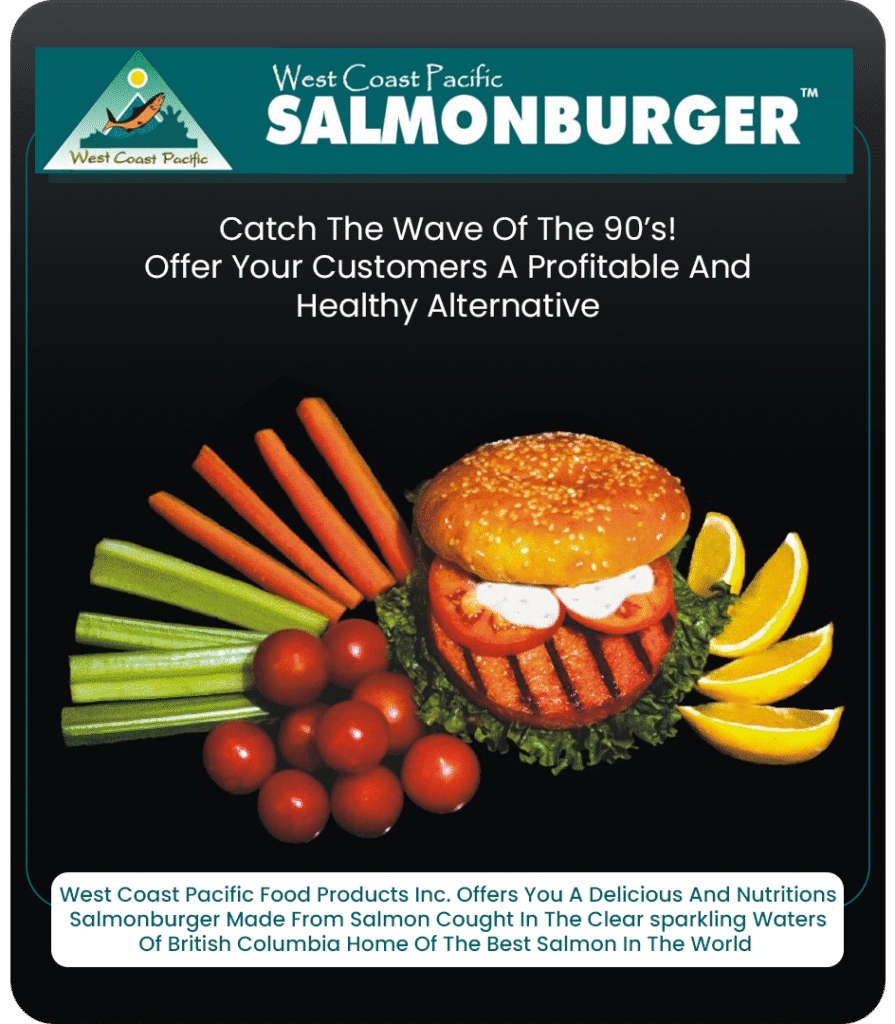
- Salmonburgers/Fishburgers
- Salmondogs/Fishdogs
- Salmonsticks/Fishsticks (pepperoni form)
- Salmonballs/Fishballs
Future products will include:
- Smoked Salmonham/Fishham
- Smoked Salmon/Fishpaté
- Salmon/Fish Pizza Pepperoni
- Teriyaki forms of products
- Specialty products
- Custom products
Recent advances in polymer casings from Germany, capable of withstanding baking temperatures, have just now enabled us to produce various salmon products in casings.
These casings allow a new spectrum of fish products to be brought to market thus providing a rare opportunity for significant market share capture. We may now safely manufacture the Salmondogs and Smoked Salmonpaté in a sausage form, and the institutional Salmonloaf in a large, cost effective chub form.
We have the proven ability to manufacture these products. Test marketing of our products has shown high consumer acceptance and pre-sale agreements in the form of Purchase Orders in excess of $595K for scheduled production as per the 1996 Business Plan that was not realized due to other interests taking priority at that time.
These casings allow a new spectrum of fish products to be brought to market thus providing a rare opportunity for significant market share capture. We may now safely manufacture the Salmondogs and Smoked Salmonpaté in a sausage form, and the institutional Salmonloaf in a large, cost effective chub form.
We have the proven ability to manufacture these products. Test marketing of our products has shown high consumer acceptance and pre-sale agreements in the form of Purchase Orders in excess of $595K for scheduled production as per the 1996 Business Plan that was not realized due to other interests taking priority at that time.
In the test marketing phase, representatives of the company met with brokers, distributors, and wholesalers, and Letters of Intent to enter into marketing relationships were been obtained. Negotiations with the largest distributors in Canada have, in one instance, resulted in an invitation to present Safeway Canada with a demonstration of the value-added salmon line.
WCP’s open ocean and sheltered fish farms will become an additional resource diversity for food to countries were traditional fishing methods have destroyed the natural fish stock and the surrounding environment.
WCP’s research confirmed that no full spectrum (stem to stern) enterprise existed that integrates hatcheries, open ocean fish farms, production facilities both onshore and on processing ships, supply and support ships, storage, scheduling, wholesaling, marketing and distribution. For the manufacturing aspect, it was determined that a computer controlled semi-automatic production line would make such an enterprise economically viable.
WCP, in a relationship with Sigma Marine Services Inc., and in conjunction with Aquaculture Production Technology Ltd., has developed a Business Plan that will allow this full spectrum enterprise to emerge as a formidable force in the world food resource markets.
The Source Material Division will introduce the third world to the newest technology in large scale, open and sheltered ocean fish farming, and creating hatchery industries and the natural job creation result. The pricing for a single open ocean fish farm is about $7M.
The Production Division will process raw material to specific needs in the world markets, and will create custom products for specific applications. The pricing for a single land-based production line, with all associated ancillary support systems, is about $2.2M.
The Sales and Marketing Division shall provide for wholesale warehouse facilities both refrigerated and dried bulk, and distribute as required. Normal costs relating to setting up refrigerated facilities will be incurred, and are estimated at about $2M per facility.
WCP’s open ocean and sheltered fish farms will become an additional resource diversity for food to countries were traditional fishing methods have destroyed the natural fish stock and the surrounding environment.
WCP’s research confirmed that no full spectrum (stem to stern) enterprise existed that integrates hatcheries, open ocean fish farms, production facilities both onshore and on processing ships, supply and support ships, storage, scheduling, wholesaling, marketing and distribution. For the manufacturing aspect, it was determined that a computer controlled semi-automatic production line would make such an enterprise economically viable.
WCP, in a relationship with Sigma Marine Services Inc., and in conjunction with Aquaculture Production Technology Ltd., has developed a Business Plan that will allow this full spectrum enterprise to emerge as a formidable force in the world food resource markets.
The Source Material Division will introduce the third world to the newest technology in large scale, open and sheltered ocean fish farming, and creating hatchery industries and the natural job creation result. The pricing for a single open ocean fish farm is about $7M.
The Production Division will process raw material to specific needs in the world markets, and will create custom products for specific applications. The pricing for a single land-based production line, with all associated ancillary support systems, is about $2.2M.
The Sales and Marketing Division shall provide for wholesale warehouse facilities both refrigerated and dried bulk, and distribute as required. Normal costs relating to setting up refrigerated facilities will be incurred, and are estimated at about $2M per facility.
This closed loop system is advantageous for several reasons.
- It creates a singularly large and well experienced responsible entity that is both desirable and required for large scale operations.
- It maintains tight quality control.
- It maintains control in terms of product delivery.
- Revenues are not depleted through outsourcing.
The keystone of the whole concept of this business venture is the fact that we will have the security of being a viable food resource.
The maximum amount of help will be sought from the Federal and Provincial governments to provide tax incentives, guarantees, and foreign export liaison.
Wage subsidies through government wage incentive programs will apply to our Production personnel, as they will be recruited from accredited trade schools.
The WCP Project has thus become a vehicle for the timely introduction of delicious low-cost red-meat alternatives, a groundbreaking environmentally aware concept, and a potentially explosive revenue stream that has attracted phenomenal attention from both private and government sectors.