HUMANUS / DRAGONSHEART
GLOBAL FOOD INITIATIVES
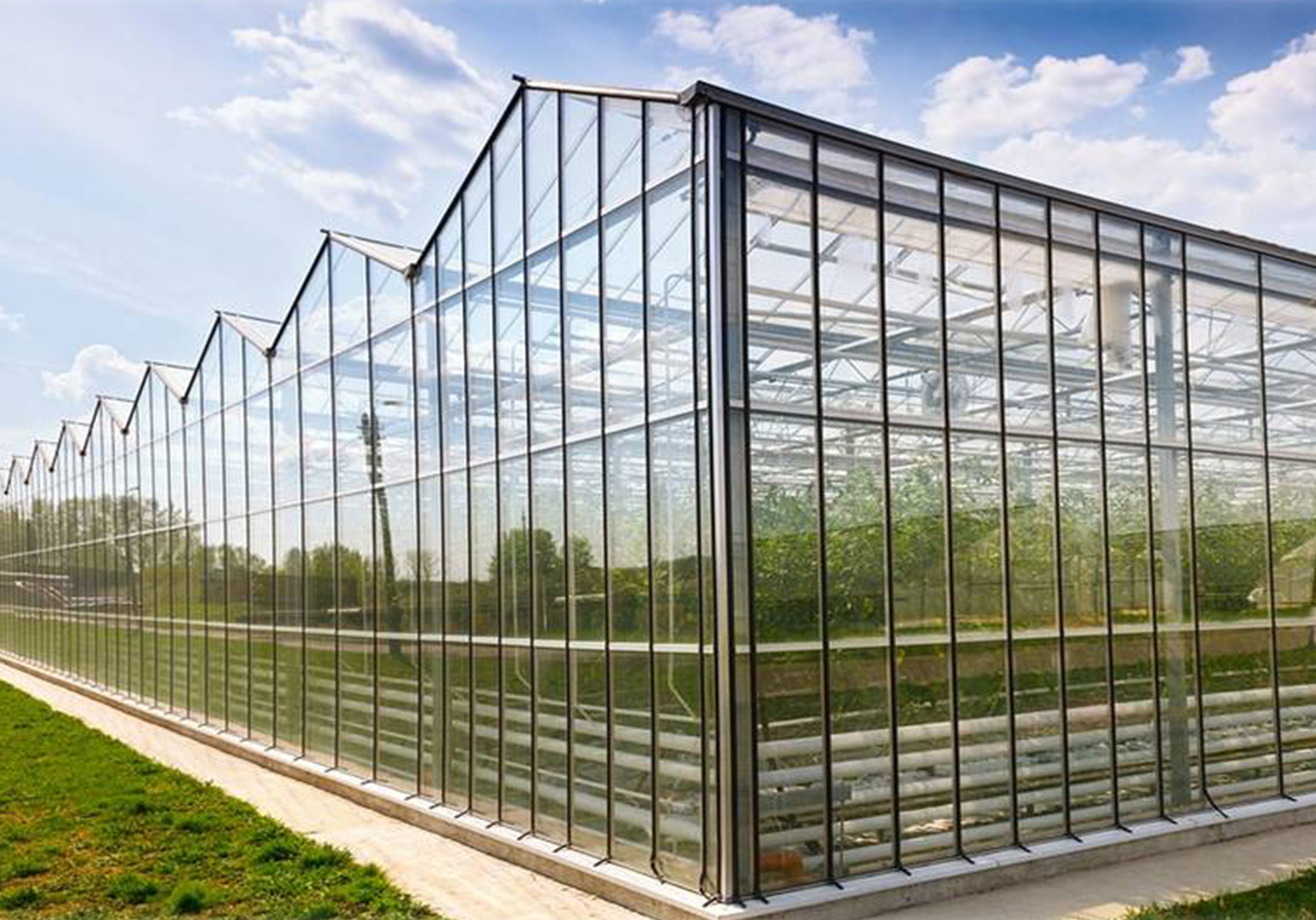
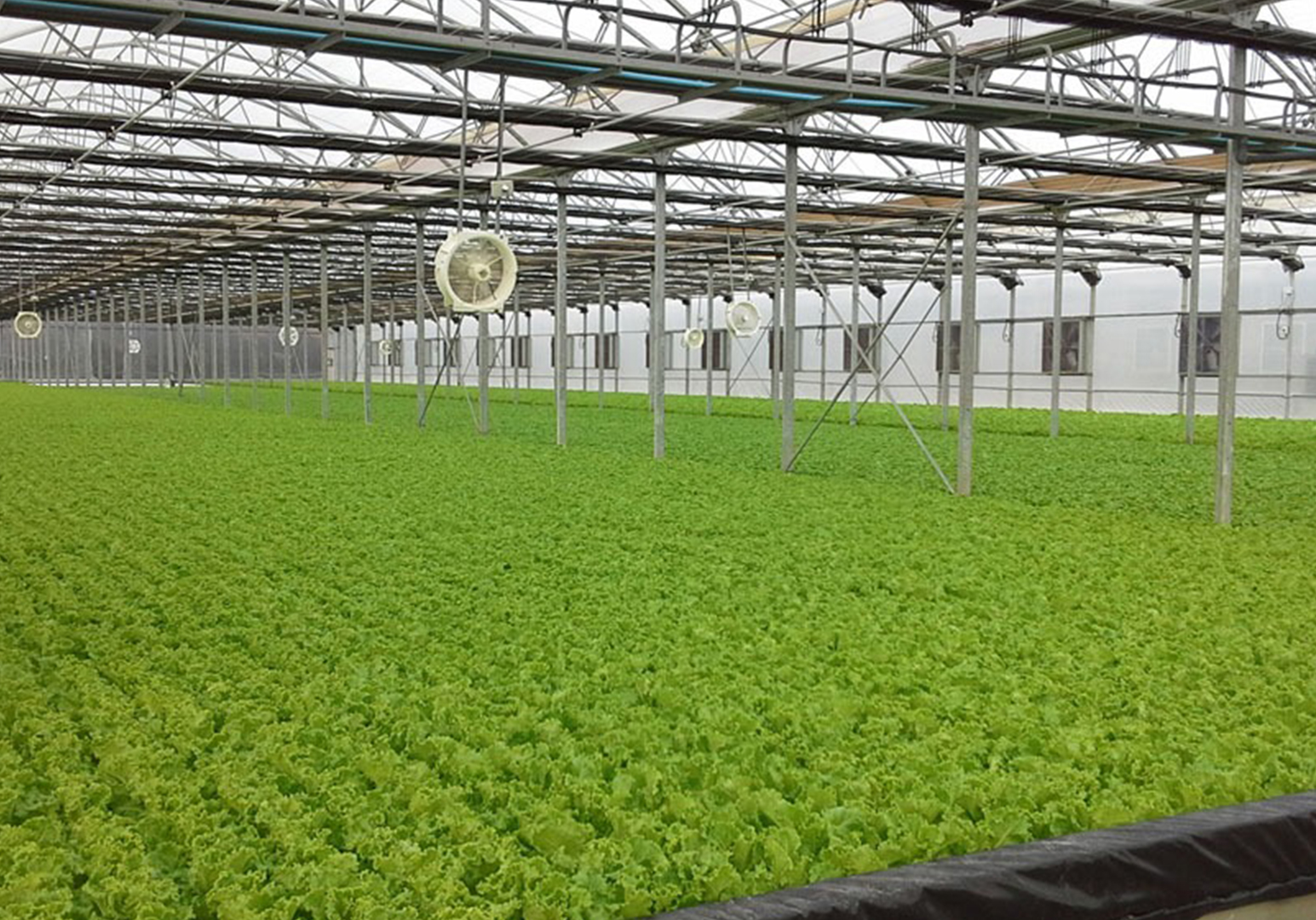
Humanus and DragonsHeart have researched, sourced, and implemented several high tech and biological systems to increase food production on a global scale.
These initiatives have the capability of feeding the world from a handful of food production centers, and satellite facilities.
We are pleased to forward for your consideration a synopsis of a combination of technologies to revolutionize soil less food production. In past processes, our Alberta based company has been intensively working on commercializing the process called aquaponics for the past 14 years (with 17 years of collaborating research data), and are out-performing other global research projects by 28-40% with increased food production. We have assembled an exemplary world class team and have sourced suppliers for the latest greenhouse technologies.
This ensures an immediate fast track in building facilities to initiate food production. It will take one year after construction is completed for full production to be achieved. A 2 million square foot facility, in its fifth year, will produce about $120 million worth of sales, with about $70 million in overhead giving it a $50 million profit potential.
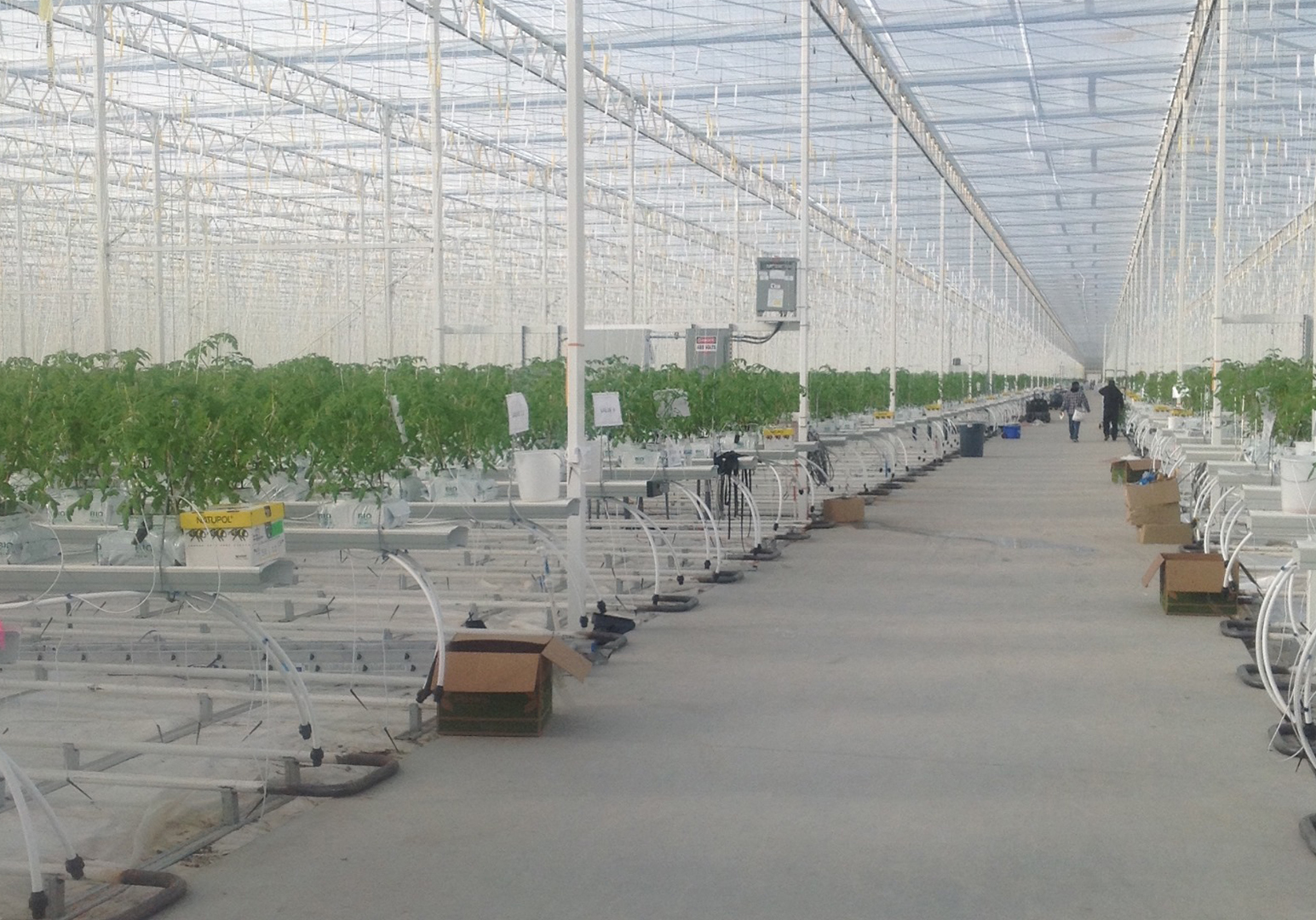
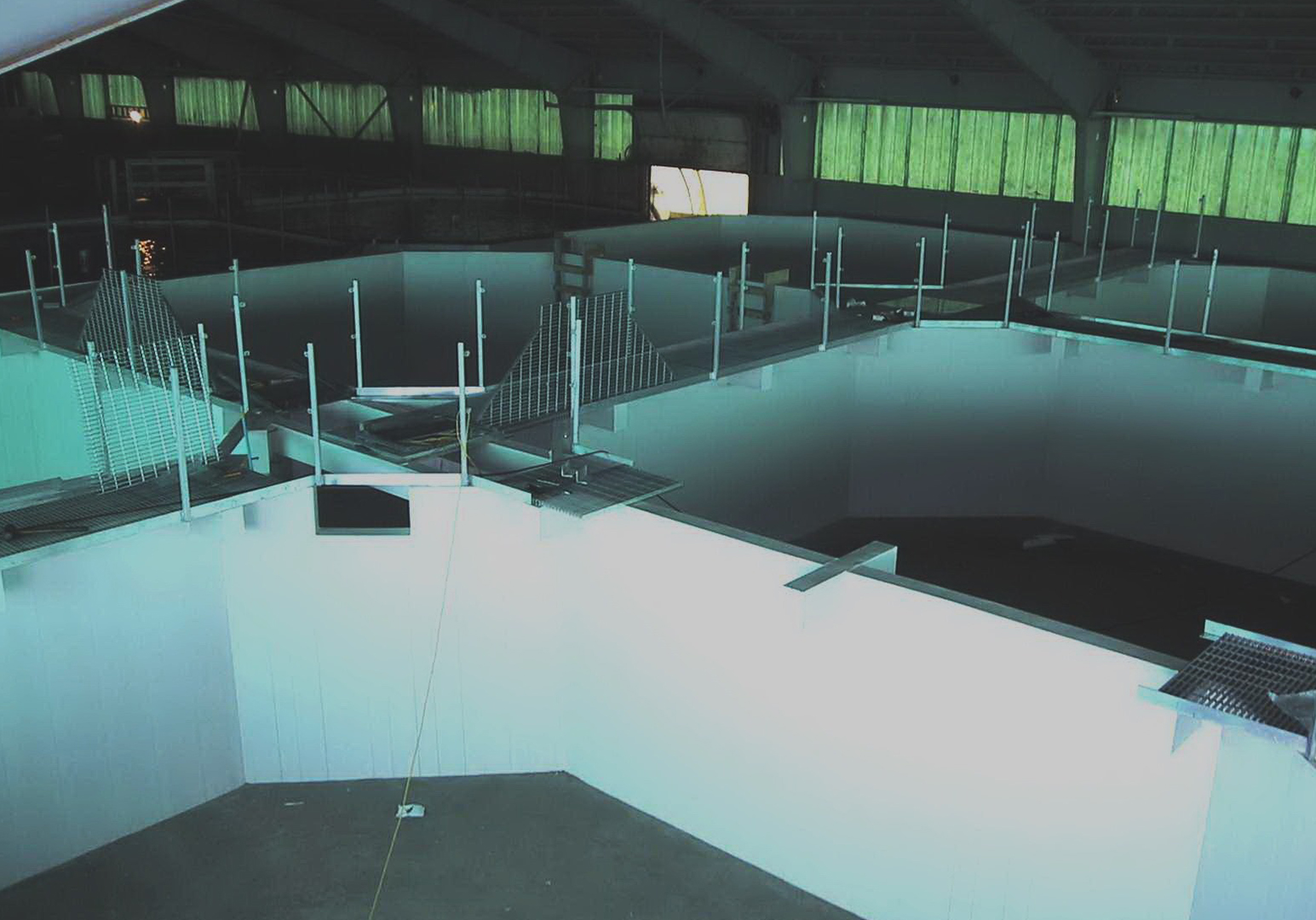
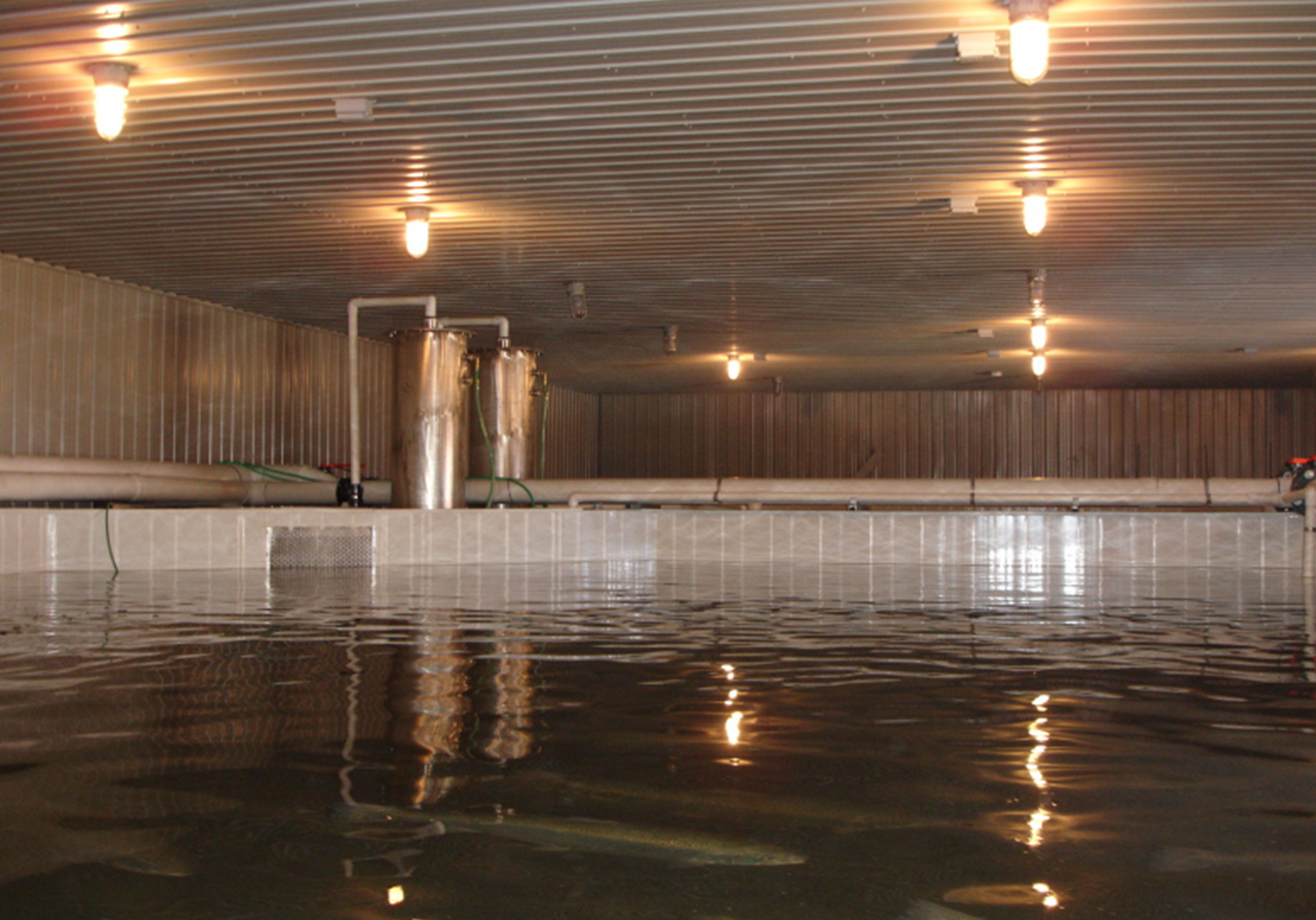
We have sourced a suitable ready-made facility North of Medicine Hat, Alberta that is a failed marijuana grow operation that may be suitable to renovate into an aquaponics system, and save at least 2 years of engineering, permits, and construction. This is the subject of this Briefing Document.
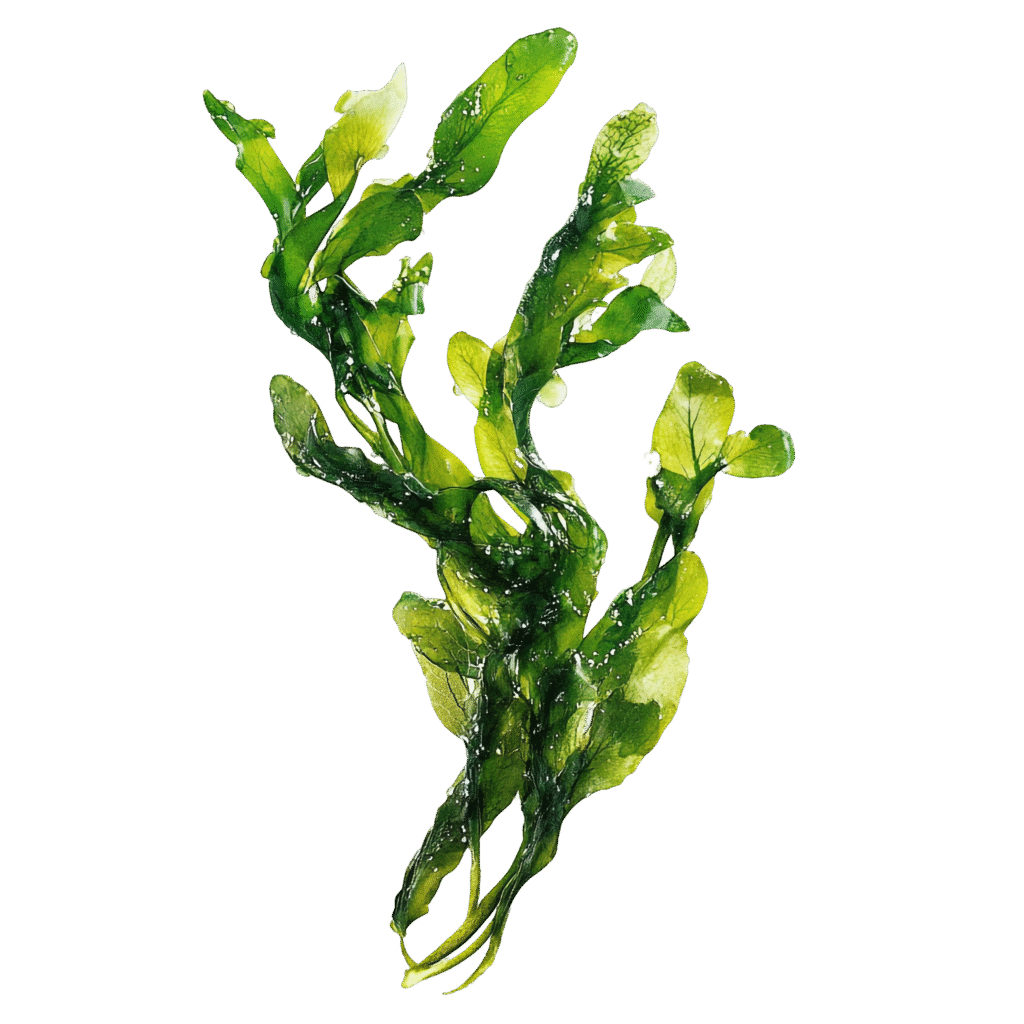
This algae growth can be harvested every day and crushed to produce an oil similar to virgin olive oil. This can be used for cosmetics, pharmaceuticals, power and similar applications.
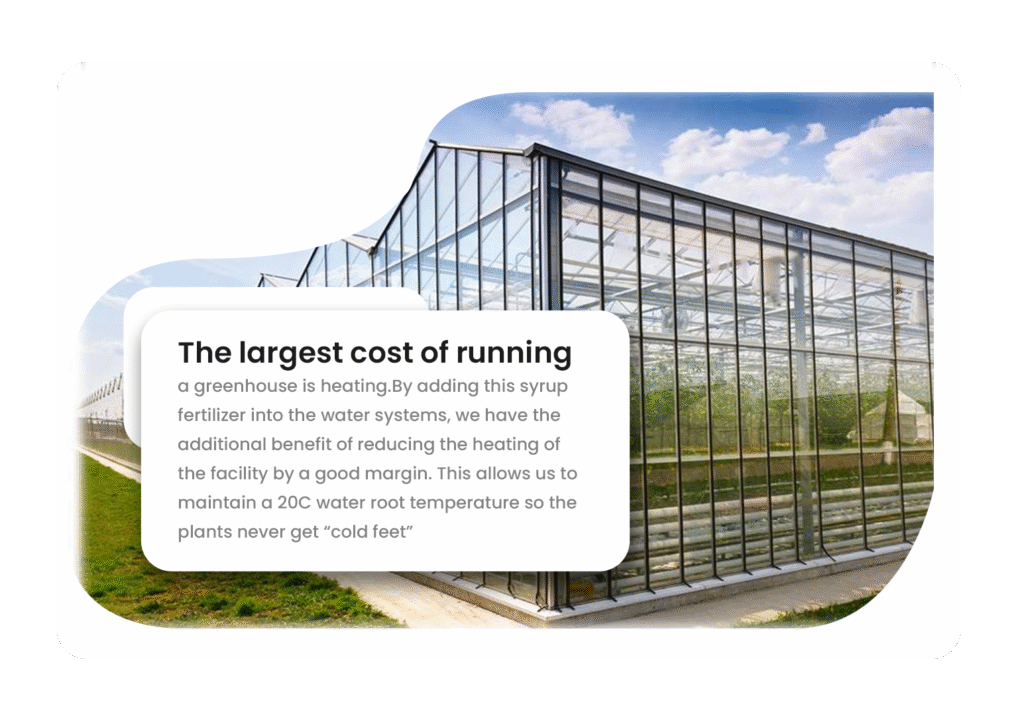
An additional benefit of this process is that the bio-digester experiences a caloric increase and heats up to 120 to 140F which increases the production of the fertilizer. This speeds up the process which takes about 16 months in nature to about 7 days.
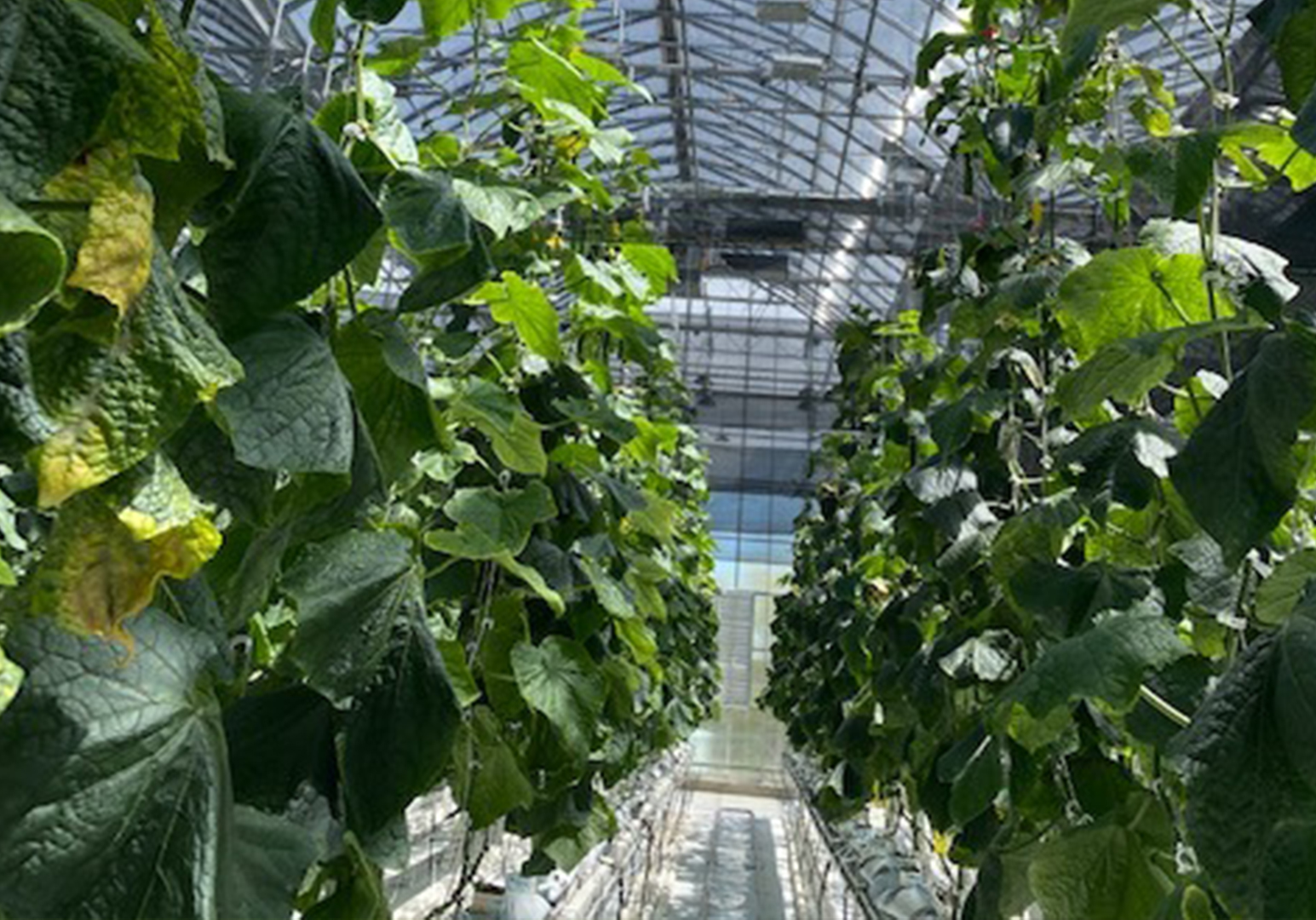
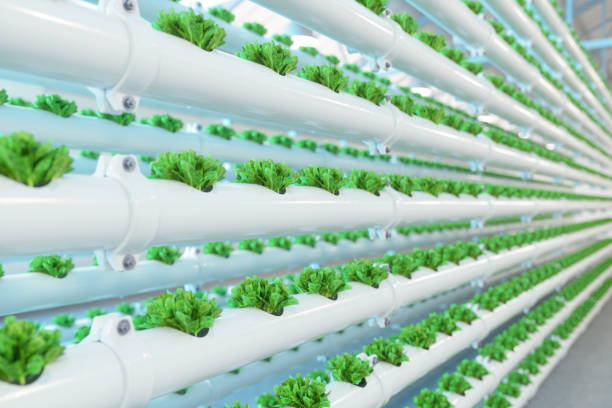
This is supplied to the styrofoam plant rafts in the ponds as they grow roots. Another system for tall plants (NFT) is a long plastic tube filled with bio-char, a charcoal like product. This material absorbs nutrients and retains them for plant use.
A thumbnail size piece of biochar has a surface area equivalent to a tennis court. There is a massive amount of nutrient storage available lasting for several cycles while the rest of the nutrients continue on to be used in the system. Periodically, this biochar is replaced with new biochar thus allowing an alternate revenue stream to become available in the supply and sale of the nutrient-rich granules to the home gardener or agricultural sectors.
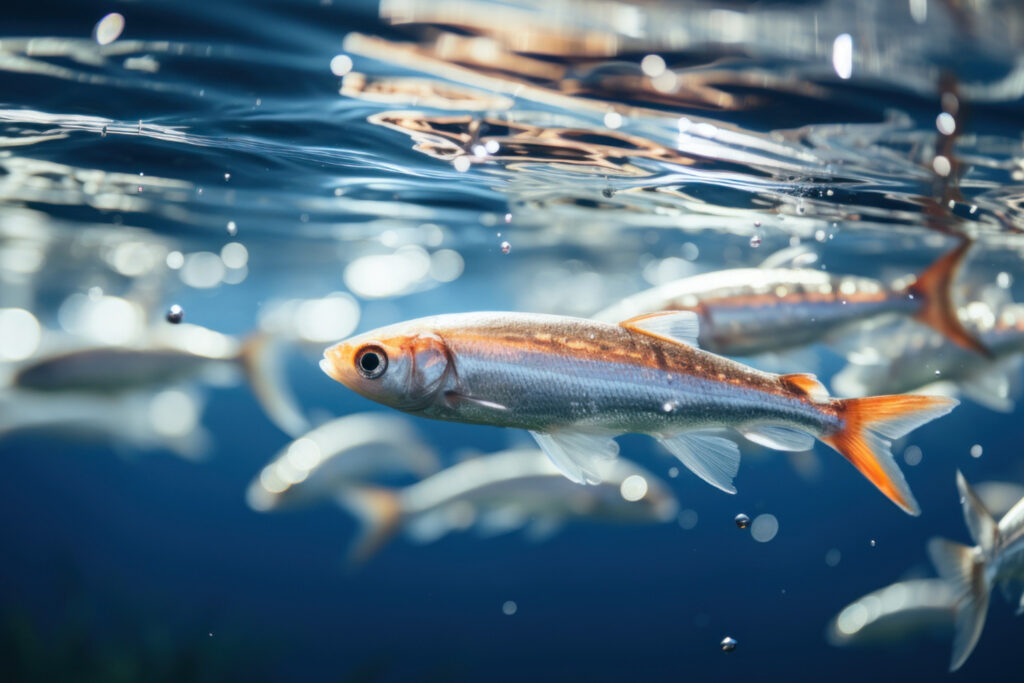
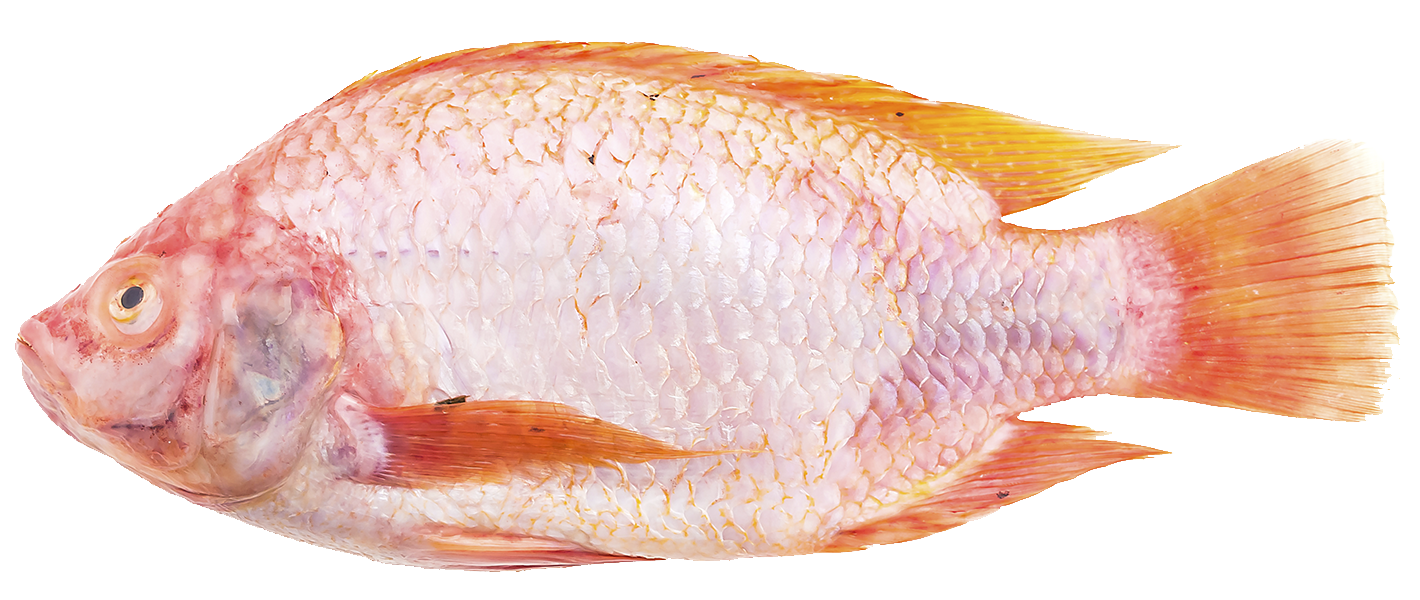
The fertilizer coming from the fish can be tailored for optimum nutrient value to the plants. This is done by fostering male superfish that produce specific combinations of fertilizer by feeding them advantageous fish food: how and what we feed the fish determines what nutrients pass through and are bio-available.
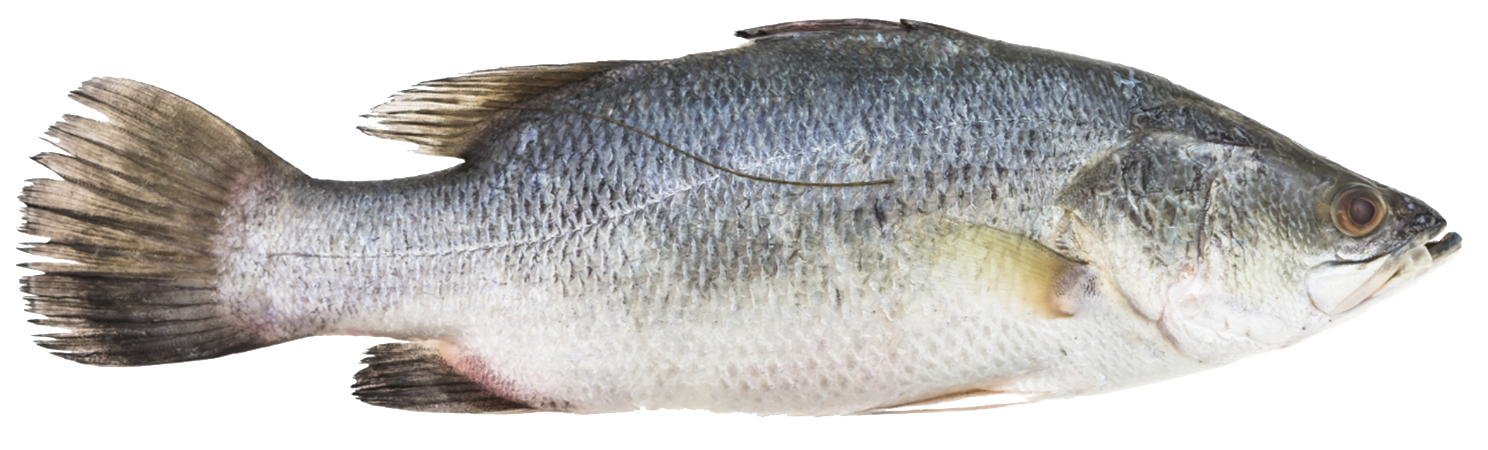
These “Arnold Schwarzenegger” fish are 2.5 times larger than the female fish, and their tanks have currents through creation of vortices that make them exercise in optimum temperatures and light conditions. This makes the fish hungry, and they produce more fertilizer. Excess fertilizer can be stored or sold to other operations replacing conventional liquid sources.


As above said, we have expertise in this sector with PhD’s around the world. These good people believe in the humanitarian aspect of our operations and will answer our call. Employees will be trained in the workings of aquaponics in a several week long training course with the same vision. Clean conditions are a must in aquaponics to prevent pests and diseases from infiltrating operations. Backup and redundant systems are part of aquaponics for this purpose.
Because of our cost effective production, our crops compete more effectively with other producers with higher yield and considerably more nutrient and taste values.
Competition is rising as exemplified by a group of academics, Nelson and Pade (https://aquaponics.com), who were provided with this technology about 10 years ago and patented some processes developed by our teams to begin selling aquaponics systems. They sold mainly to schools providing aquaponics systems, training, and support to individuals, entrepreneurs, governments and schools who want food security, food quality, and a positive return on their investment. However, their systems which we developed are about a Level 2 while our operations are at a Level 9.
ECOMAX® Solutions
1. Produces 400% more produce than soil based farming and 28-40% more than the world’s best Hydroponics
2. 60 different crops have been tested and proven viable
3. Qualifies for Organic and GAP certification
4. Uses less than
5% of water required for soil based farming
5. 365 days of constant predictable production of restaurant quality produce
6. Protein component is organically fed in a pristine environment under perfect conditions to maximize growth and quality. Most efficient feed conversion ratio of 1.25-1.5 lbs of feed per lb of marketable flesh produced
7. No environmental concerns with nothing leaving the facility that is not a marketable commodity
8. Institutional facility designed for 25 year useful life is pressurized so no need for any herbicides or insecticides required
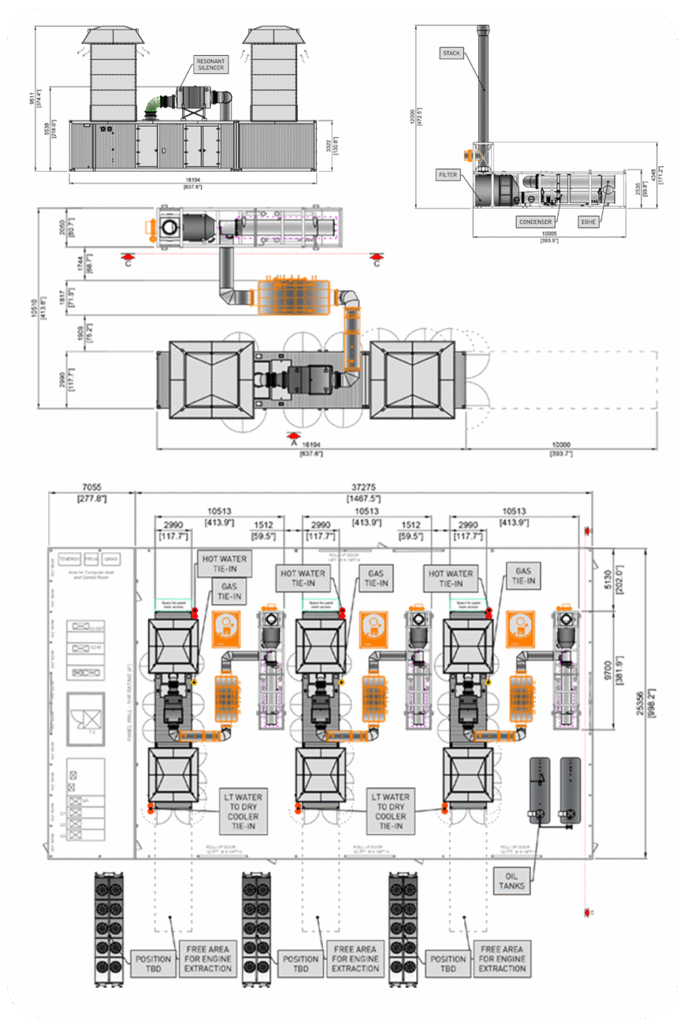
9. Latest technology for energy efficiency designed into the project for reduction of long term expenses with a balanced environmental impact including Co-generation capacity
10. Everything is tested in our onsite laboratory for any safety concerns prior to any production leaving the facility
11. Year round labor required is 3-5 persons / acre of the operating facility